
Bringing home a new puppy is exciting, right up until the first carpet accident happens and you start wondering if you did something wrong. I’ve been there, and the question that kept me up at night was always the same one every new owner asks. How long does it take to house train a dog?
The short answer is that most dogs need one to six months, with three to six months being typical for puppies. That range feels huge, I know, but it depends on things like age, size, and how consistent you are with the routine. In this guide, I’ll walk through what actually shapes that timeline, share the schedule I use with my own dogs, and cover the reward timing, management tricks, and common slip-ups that either speed things up or drag them out. By the end, you’ll have a clear plan instead of just crossed fingers.
Key Takeaways
Most dogs house train in one to six months, with three to six months being average for puppies.
Consistency and supervision matter far more than breed or how smart your dog is.
Follow an age-based potty break schedule, starting as often as every 45 minutes for very young puppies.
Reward within a second of your dog finishing, ideally as they’re standing back up.
Punishment slows progress down. It teaches dogs to hide, not to go outside.
How Long Does House Training Really Take?
House training a dog usually takes between one and six months, and most puppies land in the three to six month range before they’re reliably accident-free, a timeline echoed in a complete beginner housetraining guide that breaks down routine, supervision, and reinforcement. That’s a wide window, and I think the reason so many owners feel discouraged is that they expect a fixed finish line, like a light switch that flips from “not trained” to “trained” overnight. It doesn’t work that way. House training is a habit that builds gradually, one successful potty trip at a time, until going outside becomes your dog’s default choice rather than a coin flip. Your dog isn’t weighing right from wrong the way a person would. They’re simply learning which option feels safer and pays off better, and your job is to stack the deck so outdoor elimination wins every single time.
What Factors Affect the Timeline?
Several specific factors push your dog’s house training timeline faster or slower, and understanding them helps you set realistic expectations from day one. Age is the big one. A young puppy hasn’t developed the bladder control or the experience to understand what’s being asked of them, so they naturally take longer than an adult dog who already learned the basics in a previous home.
Background plays a role too, which is why researchers have studied new strategies of canine post-adoption support to understand how rescue dogs adjust to household routines, since these dogs might have strong physical bladder control but no habit of treating indoors as off-limits, so they may need extra behavioral retraining even if they’re otherwise easy to live with. Size matters as well, since small dogs have smaller bladders relative to how much they drink, meaning more frequent bathroom breaks and more chances for accidents during the learning phase, which can stretch things out compared to a larger breed with more capacity to hold it.
How Often Should You Take Your Puppy Out?
The honest answer is more often than you probably expect, especially in the first few weeks, a point reinforced by a step-by-step potty training guide for new owners that walks through age-based scheduling. A reliable, age-based schedule is one of the simplest ways to prevent accidents before they happen, because you’re giving your puppy so many chances to succeed outside that going indoors barely becomes an option. These intervals are intentionally shorter than your puppy’s actual bladder capacity. That’s not overkill. It’s strategy. You’re building the habit and the preference for outdoor elimination before your puppy ever gets the chance to practice going inside, and every successful trip outside reinforces the behavior you want to stick.
Age-Based Potty Break Schedule
Here’s the breakdown I recommend following as your puppy grows, since their physical capacity changes quickly during the first few months.
Puppies under 8 weeks old need a bathroom break roughly every 45 minutes during waking hours, since their bladder control is barely developed at this stage.
Puppies between 8 and 10 weeks can usually stretch to every 60 minutes, though some days will still feel unpredictable.
Puppies between 10 and 12 weeks typically manage 90-minute intervals comfortably.
Puppies 12 weeks and older can often hold it for about 120 minutes between breaks.
Overnight or while crated, most puppies can last 3 to 4 hours without a bathroom trip.
What Is the Fastest Way to House Train a Dog?
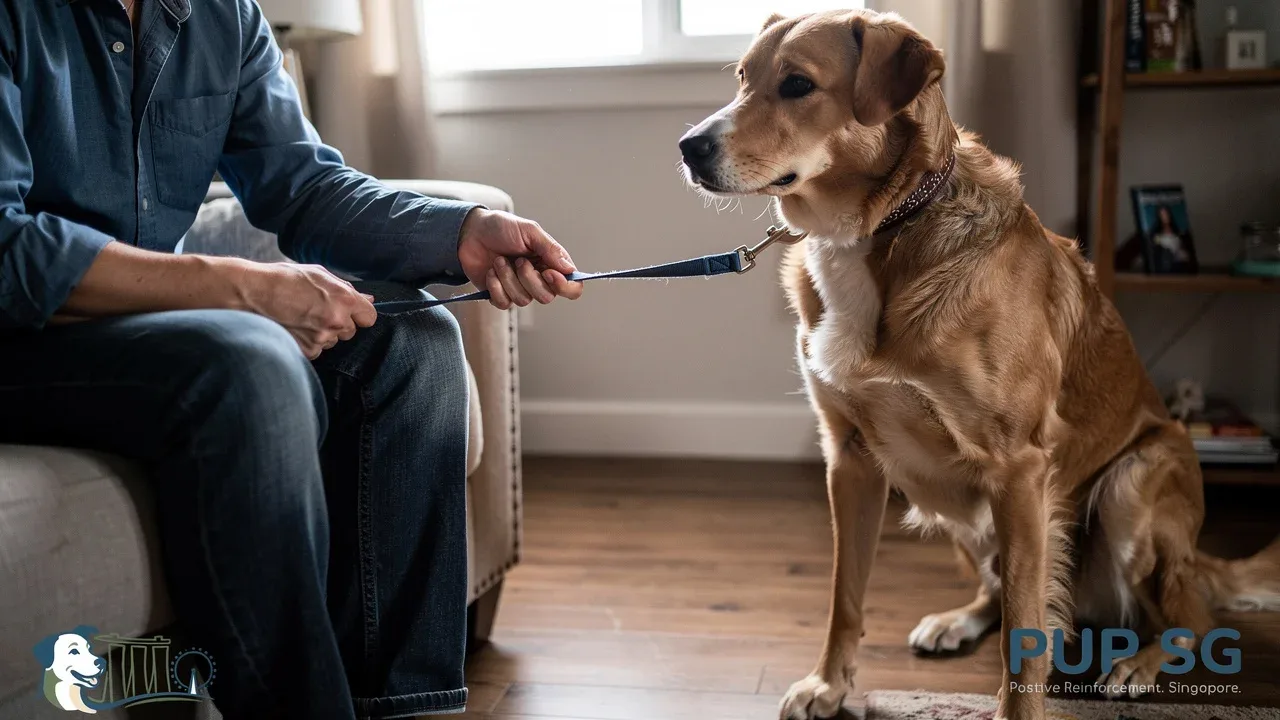
The fastest, most reliable method I’ve found combines a structured routine with strict management, and it’s often called the 10-10-10 approach. It means 10 minutes outside, confined to a 10-foot potty spot, with 10 minutes of focused supervision before you head back in. Keeping your dog on a small, boring patch of the yard (rather than letting them explore the whole space) removes distractions and makes going potty the most interesting thing available to them. Stand quietly, hold the leash loose, and avoid talking to or staring at your dog. You want them bored enough that eliminating becomes the obvious choice.
None of this works, though, without management outside of potty breaks too. Until your dog is reliably trained, they should always be in one of three situations:
Somewhere it’s fine for them to go.
Under your direct and active attention.
Confined somewhere they’re unlikely to eliminate, like a crate or a short leash tethered to you.
Giving a young puppy too much unsupervised freedom too soon is the single biggest reason house training drags on, since every unseen accident teaches them that indoors is sometimes acceptable.
How Do You Reward Your Dog at the Right Moment?
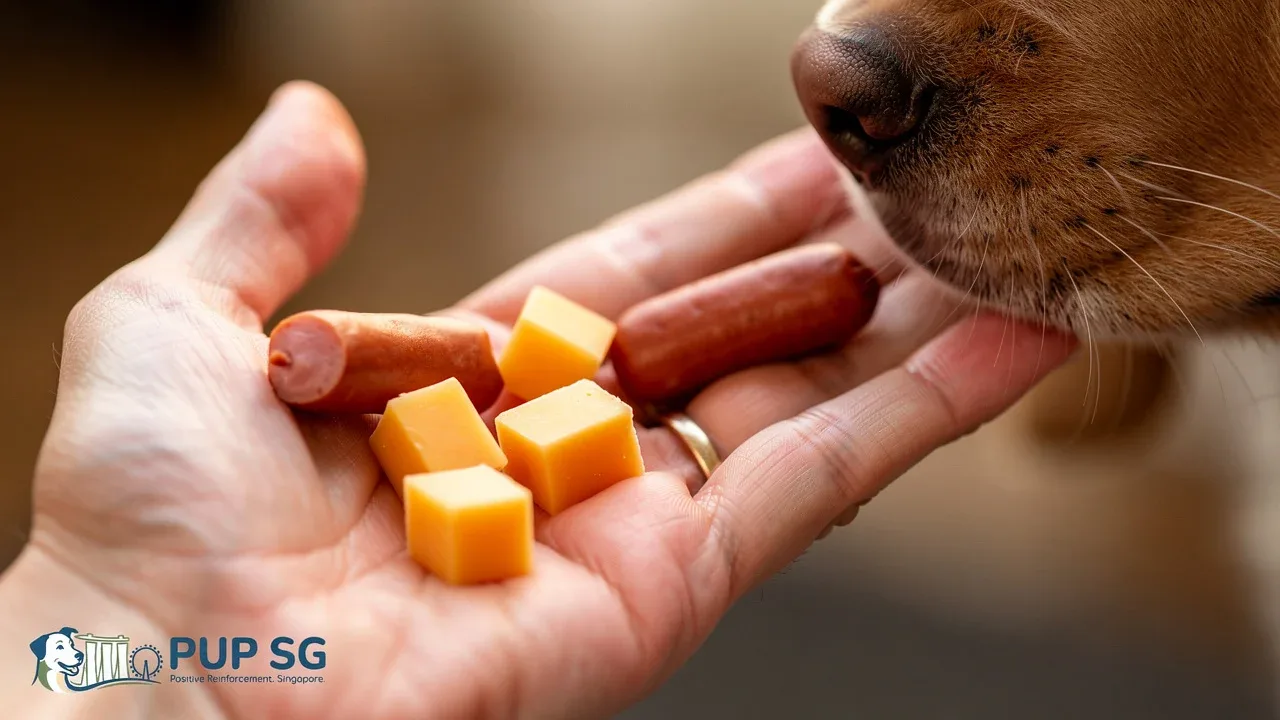
Reward timing can make or break your progress, and it’s more precise than most new owners realize. The moment your dog finishes eliminating, ideally right as their back legs start lifting back to standing, is when you want praise and a treat to land. Use something genuinely exciting, like small pieces of cheese or hot dog, paired with enthusiastic, almost silly praise. If it feels a little over the top, you’re probably doing it right.
Timing matters because rewarding too early can interrupt your dog mid-stream, leaving their bladder only partly empty, while rewarding too late means they won’t connect the treat with the behavior at all. Getting that treat into their mouth within a second or two of finishing builds a strong, clear association between going outside and something wonderful happening right after.
What Should You Do If Your Dog Doesn’t Go Potty Outside?
If your puppy doesn’t go during a scheduled break, resist the urge to relax your supervision once you’re back inside. This is actually the riskiest moment for an accident, since many owners assume an empty bathroom trip means an empty bladder, when in most cases it means the opposite. Keep your puppy within arm’s reach, on your lap, or tethered nearby for the next 10 minutes, then head back outside and repeat the same cycle.
This loop, of trying, waiting, and managing closely afterward, might need to repeat two or three times before success happens, and that’s completely normal, especially in the first couple of days. It’s frustrating in the moment, but skipping this step is exactly how so many “sudden” indoor accidents happen right after a trip outside that looked unsuccessful.
How Can You Tell When Your Dog Needs to Go?
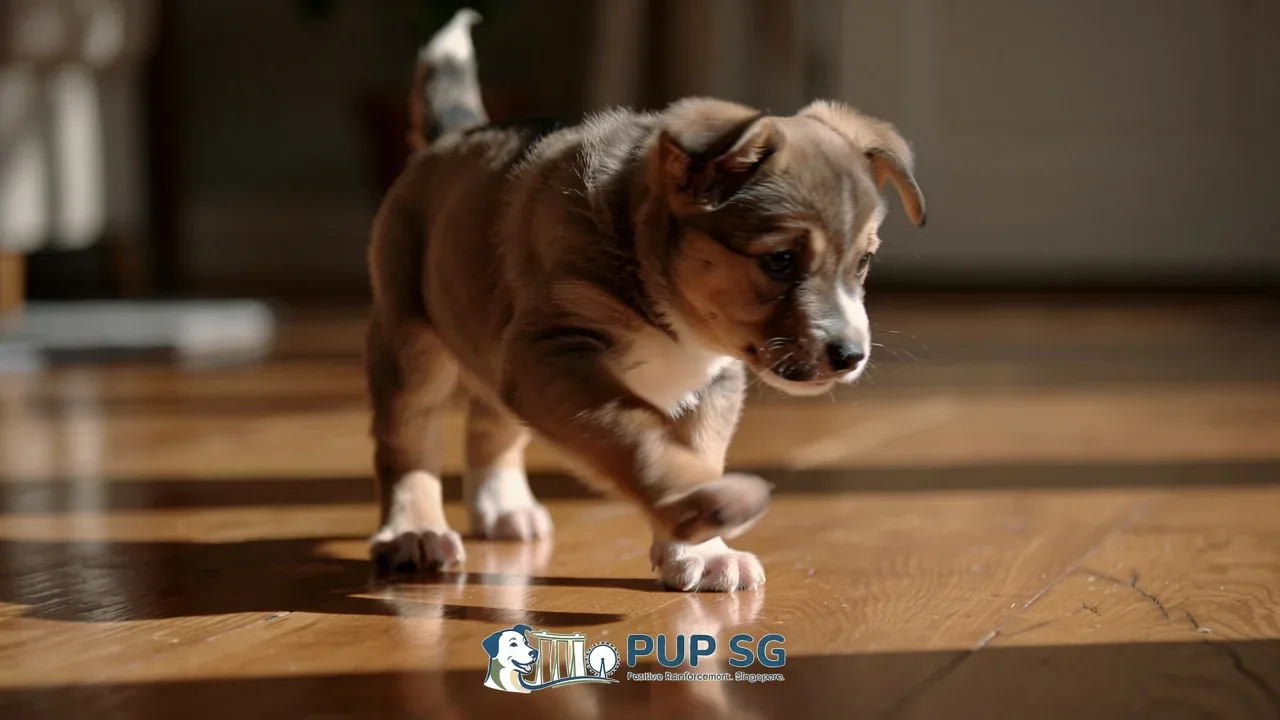
Dogs usually give clear signals before they need to eliminate, a pattern outlined in detail in a protocol for basic manners training and housetraining developed by veterinary behaviorists, and learning to spot them lets you step in before an accident starts. Watch for restlessness, circling, intense sniffing at the floor, or heading toward a door or corner they’ve used before. Some dogs whine or scratch at the door, while others just suddenly stop playing or eating mid-activity.
When you notice any of these signs, move quickly. Scoop up a small puppy or leash a larger dog and head straight to the potty spot without waiting for the scheduled time. Some owners also introduce potty bells hung near the door, which their dog can nudge with a nose or paw to ask to go out, giving your dog a direct way to communicate rather than relying on you to catch every subtle cue.
Why Does Consistency Matter More Than Anything Else?
Consistency is the one factor you have complete control over, and it tends to matter more for your timeline than your dog’s breed, size, or background combined. Using the same door, the same outdoor spot, and the same schedule every single time builds a clear, predictable pattern that your dog can actually learn from. Skipping a scheduled break because your dog “seems fine” undoes a lot of that progress, since it reintroduces uncertainty right when you’re trying to build a reliable habit.
A simple rule I rely on is extending the gap between breaks by 30 minutes only after a full week without any accidents at the current interval. If you hit more than two accidents in a week, go back to the shorter interval and give it another week before trying again. It feels slow in the moment, but it beats the alternative of an adult dog who’s only “mostly” house trained. And whatever happens, skip the punishment. Scolding or rubbing a dog’s nose in an accident doesn’t teach them where to go. It just teaches them to be anxious about going in front of you at all, which can add weeks or months to the process.
The Takeaway
Every dog moves through house training at their own pace, and that one to six month range exists because age, size, and background genuinely shape how fast things click. What you can control is management and consistency, and those two things will do more for your timeline than anything else on this list. Stick with the schedule, reward quickly, and expect the first few days to feel like a lot of work. They are, but it gets noticeably easier by the end of the first week or two.
If you’re in the thick of those early tough days right now, know that it’s temporary and completely normal. I built PupSG as a place for busy families and first-time owners here in the US to find practical, judgment-free training guidance that actually fits into a regular week, so feel free to explore more of our resources if you want support beyond this guide.
Frequently Asked Questions
Is It Normal for an Older Puppy to Still Have Accidents?
Yes, occasional accidents can still happen up to around the 6-month mark, especially during growth spurts or new environments. What matters is the pattern. Frequent accidents at this stage usually point to a management gap, like too much freedom too soon, rather than a sign your dog isn’t capable of learning.
Can You House Train a Dog Faster With a Crate?
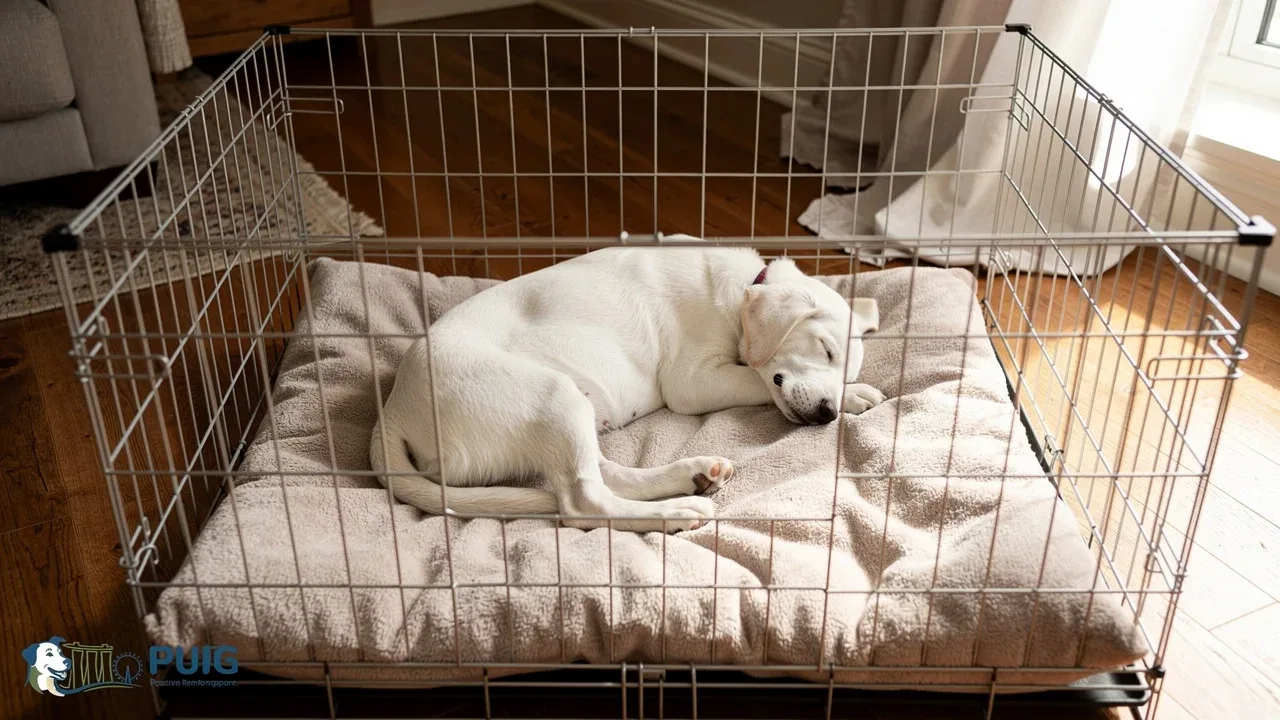
A crate isn’t a shortcut, but it’s a genuinely useful confinement tool within a solid routine. Dogs naturally avoid soiling the space where they sleep, so a properly sized crate supports your schedule by reducing accident opportunities between potty breaks, especially overnight.
Why Does My Puppy Pee Right After Coming Back Inside?
In most cases, your puppy didn’t fully empty their bladder during the outdoor trip, even if it looked uneventful. The fix is simple. Keep supervision tight for about 10 minutes after any unsuccessful outdoor break instead of assuming they’re done.
Should You Use Puppy Pads During House Training?
Puppy pads can help in situations like apartment living or limited outdoor access, giving your dog a legal spot when outside isn’t an option. They work best as a temporary supplement rather than the main plan, since relying on them too long can build a preference for indoor elimination.
How Long Does It Take to House Train an Adult Rescue Dog?
Timelines vary widely here, ranging from just a few days to several months depending on the dog’s history. Physical bladder control is usually already solid in adult dogs, but old habits around where it’s acceptable to go may need some patient retraining.
Does Punishment Ever Speed Up House Training?
No, punishment typically slows things down rather than speeding them up. It often creates anxiety around eliminating in front of people, which can push your dog toward sneaking off to go indoors instead, while calm, reward-based consistency gets you to a reliable result faster.
Leave a Reply