

A dog that won’t stop barking can wear down even the most patient owner, especially when it happens at odd hours or in front of neighbors. Figuring out how to stop dog barking starts with a simple shift in thinking: barking isn’t bad behavior to crush, it’s communication to understand. Once I know what my dog is trying to say, I can actually do something about it instead of just reacting to the noise.
That’s exactly what this guide walks through. I’ll cover why dogs bark in the first place, how to figure out which type of barking you’re dealing with, and the training techniques that genuinely work to calm things down. I’ll also flag the environmental tweaks and daily habits that stop barking before it even starts, plus the common mistakes that make barking worse instead of better.
At PupSG, we talk to a lot of busy families and first-time dog owners who feel stuck on this exact issue, so this guide is built around practical steps you can start using today. Stick with each section, and you’ll walk away with a real plan instead of more frustration.
Key Takeaways
- Finding the root cause of your dog’s barking matters more than silencing the sound itself.
- A realistic goal is less barking, not total silence, since barking is normal dog communication.
- Managing your dog’s environment keeps the barking habit from getting stronger over time.
- Positive, reward-based training beats yelling, isolation, or anti-bark collars every time.
- Regular exercise and mental stimulation tackle barking at its root cause.
Why Does My Dog Keep Barking

Barking is a natural way dogs talk to us, and my dog keeps doing it because it works to get a need met or an emotion out. Dogs bark to alert us to something, to ask for what they want, or simply because they’re excited, scared, or bored, a reality shaped by thousands of years of dogs living alongside humans, as explored in research on managing free-roaming domestic dog populations and behavior. None of that makes a dog difficult. It just means barking is doing a job, and my task is to figure out what that job is before I try to change the behavior.
The tricky part is that dogs learn fast, and if barking gets rewarded even by accident, it sticks around. A dog who barks once for a treat and gets one will bark again next time, then try it for walks, play, or attention too. Eye contact, talking, or even scolding can all count as a reward in a dog’s mind. That’s why understanding what’s reinforcing the barking is the real starting point for change, not just reacting to the noise itself.
What Type of Barking Is My Dog Doing
Identifying the specific type of barking your dog does is the fastest way to pick a training method that actually works, since a fix for boredom barking won’t touch separation anxiety. Dogs bark for several distinct reasons, and each one shows up with its own body language, timing, and triggers.
Here’s a quick rundown of the main types:
- Territorial barking: happens around the home, yard, or car.
- Alarm barking: can pop up anywhere your dog gets startled by a sound or sight.
- Greeting barking: comes with a wagging tail and loose body.
- Attention-seeking barking: a learned habit that started because it worked at some point.
- Frustration barking: shows up when a dog can’t reach something they want.
- Compulsive barking: often repeats in a fixed pattern alongside pacing or spinning.
- Pain, illness, or separation anxiety barking: needs a completely different approach than typical behavior training.
Watching when, where, and at what your dog barks for a few days gives you the clues you need before picking a fix.
Territorial and Alarm Barking
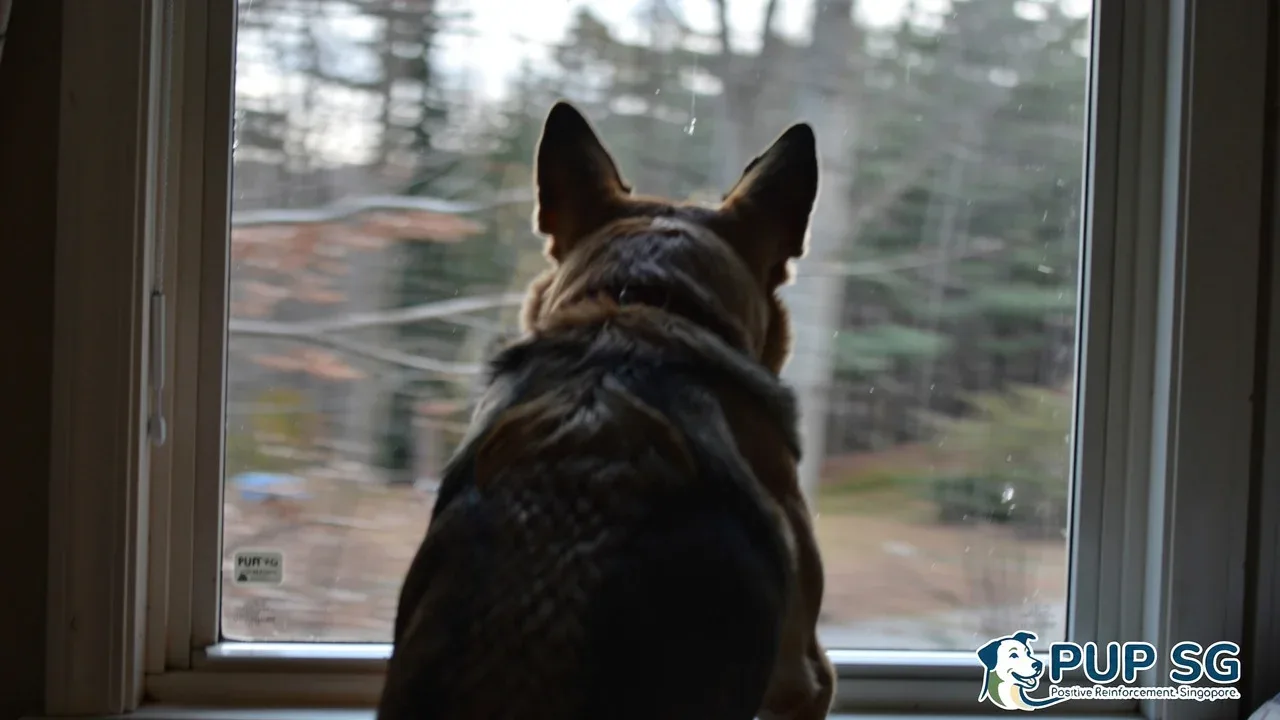
Territorial barking shows up when my dog feels the need to defend a space he considers his, whether that’s the living room window, the backyard, or the car during a drive, and official guidance for dog owners on why dogs bark confirms territorial defense as one of the most common triggers. He’s warning off what he sees as an intruder, and this type of barking is driven by both fear and anticipation of a threat. Alarm barking looks similar but isn’t tied to one location. A dog can alarm bark at a stranger or sudden noise anywhere, not just on home turf, and often shows stiffer body language with each bark.
Greeting and Attention-Seeking Barking
Greeting barking is the friendly kind, and I can usually tell by the relaxed, wiggly body language and tail wag that comes with it. My dog barking at the door when a family member walks in, paired with whining and excitement, is a greeting, not a warning. Attention-seeking barking looks different because it’s learned. A dog barks for food, play, or a walk because barking has worked to get those things before, and the habit tends to spread to more and more situations over time.
Frustration, Excitement, and Compulsive Barking
Frustration barking happens when my dog wants something, like a squirrel across the yard or a playmate on the other side of a fence, and physically can’t get to it. The barking is a release valve for that blocked energy. Compulsive barking is different and more serious. It often shows up with repetitive movement like pacing or spinning, happens in situations that wouldn’t normally bother a dog, and usually needs guidance from a certified behaviorist rather than basic training.
Medical and Separation Anxiety Barking
Before I try to train away any barking problem, a vet visit rules out pain, injury, or illness that could be driving the noise. Sudden barking changes, especially in an older dog, deserve medical attention first. Separation anxiety barking is its own category too, and researchers have studied treatment approaches combining classical conditioning and differential reinforcement with treat dispensers to help dogs cope when left alone. It usually comes paired with pacing, chewing, house soiling, or other signs of real distress, not just noise.
How Can I Stop My Dog’s Barking Training Techniques That Work
Stopping excessive barking comes down to teaching your dog what to do instead of barking, using clear cues and consistent rewards rather than punishment. The goal isn’t to suppress the sound, it’s to give your dog a better option that gets rewarded every time. Training methods like teaching a “Quiet” cue, sending your dog to a designated spot, and redirecting attention-seeking barking all work because they’re built on the same idea, and research on dog-training apps and behavioural problem prevention has found similar reward-based approaches reduce unwanted behaviors over time. Consistency across everyone in the household matters just as much as the technique itself, since one family member slipping up and rewarding a bark can undo weeks of progress. These methods take repetition and patience, but they build trust with your dog instead of fear, which tends to produce results that actually last.
Teaching the Quiet Cue
To teach “Quiet,” I let my dog bark three or four times first, then calmly say the word without shouting. The instant he stops, even for a second, I reward with a treat right away. Over many short sessions, I stretch the gap between saying “Quiet” and giving the treat, building up from a couple seconds to much longer. If treats alone aren’t cutting it after a dozen or so tries, a startle sound like shaking a set of keys can interrupt the barking long enough to reward the silence that follows.
Teaching Go to Your Spot

This technique gives my dog somewhere to go instead of rushing the door when visitors arrive. I pick a spot at least eight feet from the entryway, then lure him there with a tossed treat until he goes on his own. Once that’s solid, I add a “stay” command and build up the duration slowly. The last step is practicing with real visitors, starting with people my dog already knows before working up to strangers at the door.
Redirecting Attention Seeking Barking
When my dog barks for attention, food, or play, the most effective response is to completely ignore it, no eye contact, no talking, nothing. The second he stops barking, I ask for a sit and then give him what he wanted. I’ve also found it helps to teach an alternative signal, like touching a bell by the door to ask to go outside, so he has a quiet way to ask for things instead of barking.
How Can I Prevent Barking Before It Starts
Preventing barking before it starts means managing your dog’s surroundings and meeting his physical and mental needs so he has less reason to bark in the first place. A dog who never gets the chance to rehearse barking at the window won’t build that habit as strongly, and a dog who’s had a good walk and a puzzle toy has less pent-up energy looking for an outlet. Prevention works alongside training, not instead of it, since blocking triggers buys you time to teach better habits without the behavior getting stronger every day. Think of it as removing the practice opportunities while you build the skills that will eventually replace the barking altogether.
Managing the Environment
Blocking my dog’s view of common triggers makes a real difference day to day. Window film, closed curtains, or rearranged furniture can stop him from watching every passerby from the couch. Opaque fencing works the same way outdoors, and supervising yard time instead of leaving him out there alone keeps barking from turning into an unsupervised habit that gets harder to break the longer it continues.
Meeting Exercise and Enrichment Needs

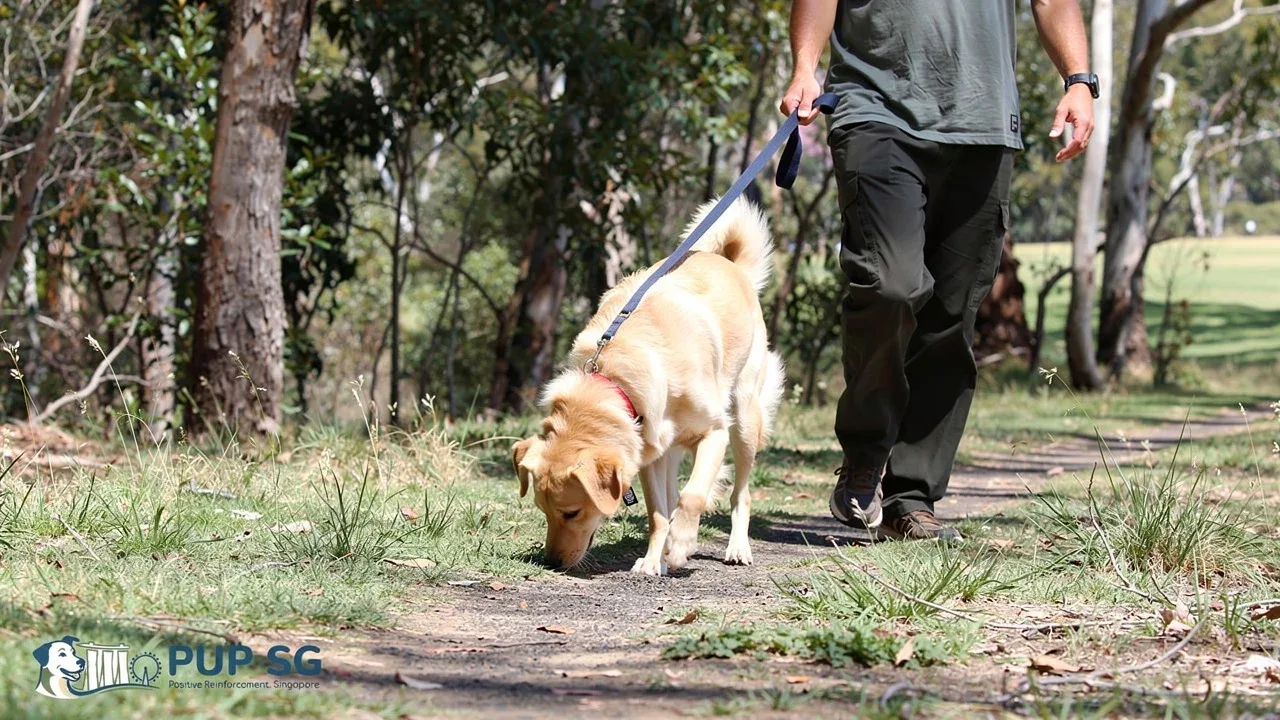
A dog who gets 60 to 90 minutes of daily activity, including sniff-heavy walks where he sets the pace, tends to settle faster and bark less overall. Puzzle toys, scent games, and food-dispensing toys tire out the mind in ways a quick walk around the block never will. For city dwellers, our urban dog walking tips cover how to handle traffic, food scraps, and sudden dog encounters, all common triggers that can turn a normal walk into a barking match if you’re not prepared for them.
What Should I Avoid When Trying to Stop Barking
Yelling, isolating your dog, and reaching for an anti-bark collar are the three mistakes I see most often, and all three tend to backfire.
- Yelling can actually sound like barking along with your dog, which makes the behavior worse instead of better, and it does nothing to teach an alternative.
- Isolating a dog in another room doesn’t stop the barking either, it just means he’s stressed and alone with no way to resolve what triggered him.
- Anti-bark collars often create a “collar-wise” dog who stays quiet only while wearing the device and goes right back to barking the moment it’s off, a limitation acknowledged even in manufacturer operating guides for ultrasonic bark control devices, and they can be especially harmful for dogs whose barking comes from fear or anxiety rather than simple habit.
If you’ve tried consistent, reward-based training for several weeks without progress, or if the barking comes with signs of panic, compulsive behavior, or self-injury, it’s time to call in a certified professional dog trainer or veterinary behaviorist. These experts can rule out deeper issues and build a plan specific to your dog, which is often faster and kinder than continuing to guess on your own.
To Sum Up
Stopping excessive barking really comes down to three things working together: identifying the cause, managing the environment so the habit doesn’t get stronger, and rewarding the quiet, calm behavior you want to see more of. None of this happens overnight, and that’s okay. Progress looks like shorter barking bursts and faster recovery time, not instant silence, so give your dog and yourself some grace as you work through the plan.
Consistency beats perfection every time, and a few missed days won’t undo your progress as long as you get back to it. If you’re looking for more everyday wins like this, PupSG has a growing library of guides built for busy families who want practical, science-backed training without the overwhelm.
Frequently Asked Questions
How Long Does It Take To Stop A Dog From Barking Too Much
It depends on how long the habit has been practiced, but most owners see real change within a few weeks to a couple months of consistent training. Progress usually shows up first as shorter barking bursts and quicker calm-downs rather than complete silence right away, so track those small wins as proof the plan is working.
Will An Anti Bark Collar Help Stop My Dog From Barking
Not usually for the long term. Many dogs become “collar-wise,” meaning they stay quiet only while wearing the collar and go back to barking as soon as it comes off. Positive reinforcement methods that teach an alternative behavior tend to produce results that stick, without the stress a punishment-based collar can cause.
Is It Bad To Ignore My Dog When They Bark For Attention
Ignoring works, but only when it’s paired with rewarding the quiet moment that follows. If you ignore the bark but then give in five minutes later, you’ve taught your dog that persistence pays off. Every family member needs to stay consistent, since one slip can undo weeks of progress on attention-seeking barking.
Can Certain Dog Breeds Be Harder To Train Out Of Barking
Yes, some breeds are naturally more vocal and were historically bred for alert or guard work, which makes barking a stronger instinct. That said, reduction is still achievable with any breed. The goal was never complete silence anyway, just a calmer, more manageable level of barking that fits your household.
Should I Take My Dog To The Vet Before Starting Barking Training
Yes, a vet visit is a smart first step, especially if the barking started suddenly or seems out of character. Pain, ear infections, and other medical issues can all drive excessive vocalizing. Ruling out health problems first means you’re not trying to train away something that actually needs medical treatment.
Whats The Difference Between Barking At The Door And Separation Anxiety Barking
Door barking responds to a clear trigger, like a knock or doorbell, and stops once the trigger is gone. Separation anxiety barking only happens when your dog is left alone, and it usually comes with other distress signs like pacing, chewing, or accidents in the house, pointing to an emotional cause rather than a simple habit.
Leave a Reply