
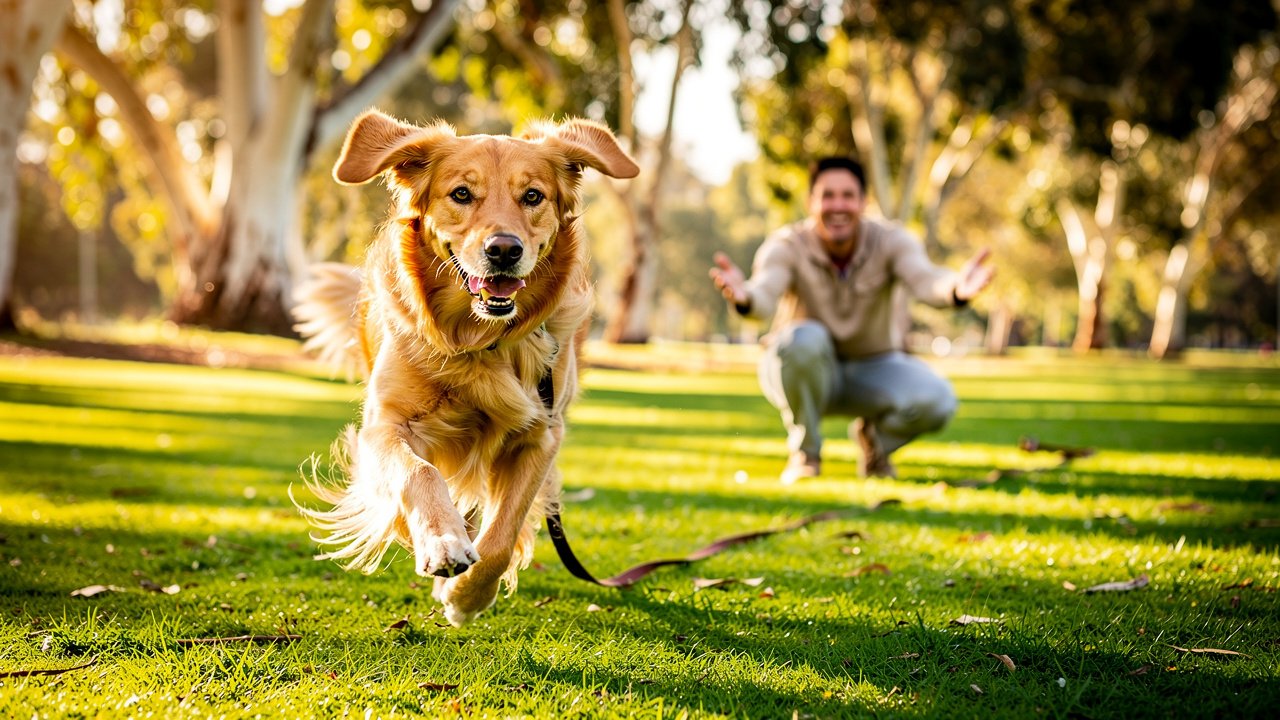
Calling your dog and watching them sprint the other way feels awful.
That fear grows when busy roads, kids, or other dogs are nearby.
Learning how to use a long leash for recall gives you a real safety net.
It keeps your dog close enough to stay safe, yet free enough to learn and make good choices.
With a long line, I can set up safe practice, reward fast returns, and gently stop my dog from racing off. As a trainer at PupSG, I use long lines every week to help families practise recall without risking a scary dash toward the road. In this guide, I walk through what long leash recall training is, how to choose the right line, how to handle it safely, and exactly how I build recall step by step. I also share the most common mistakes I see at PupSG and how to avoid them.
Ready to train in a calmer, more confident way with your dog?
Keep reading and use these steps on your very next walk.
Key Takeaways
Before we go into details, here is how this guide helps.
These points show why long leash recall training is worth your time.
Recall is the cue that brings your dog back to you every time. It protects them from traffic, open gates, and sudden noises. I treat it as my dog’s safety belt in real life.
A long leash gives off-leash style freedom with on-leash safety. Your dog can sniff, run, and explore while you still stay connected. That balance is where strong recall grows.
With clear steps, rewards, and a bit of practice, recall becomes fun. Short daily sessions fit easily into a busy family schedule. That is exactly how we design training plans at PupSG.
“A solid recall is like a seat belt for your dog: you hope you never need it, but you are glad it’s there.” — PupSG training team
What Is Long Leash Recall Training and Why Does It Matter?
Long leash recall training means teaching your dog to come when called while attached to a very long line. The line acts like a backup so your dog cannot rehearse running away, even when distractions are tough.
Recall itself is simple to explain:
your dog hears a word and turns on a dime to race back to you. According to the American Kennel Club, a reliable recall is one of the core safety cues every dog should learn. Cars, other animals, and sudden noises all feel less scary when that cue is solid, because you know you can call your dog out of trouble.
The long leash is usually between 5 and 15 meters, or about 15 to 50 feet. It lets your dog move far from you while you still have a way to step in if needed. I think of it as a training seat belt rather than a control tool. Research reviewed by the American Veterinary Society of Animal Behavior links reward-based methods with better obedience and fewer fear responses, which fits perfectly with long line recall work.
Instead of jumping straight from a short leash to full off-leash freedom, the long line gives a clear middle stage. PupSG leans on this middle stage so new owners can practise real-life recall without gambling on their dog’s safety or confidence.
Choosing the Right Long Leash for Recall Training
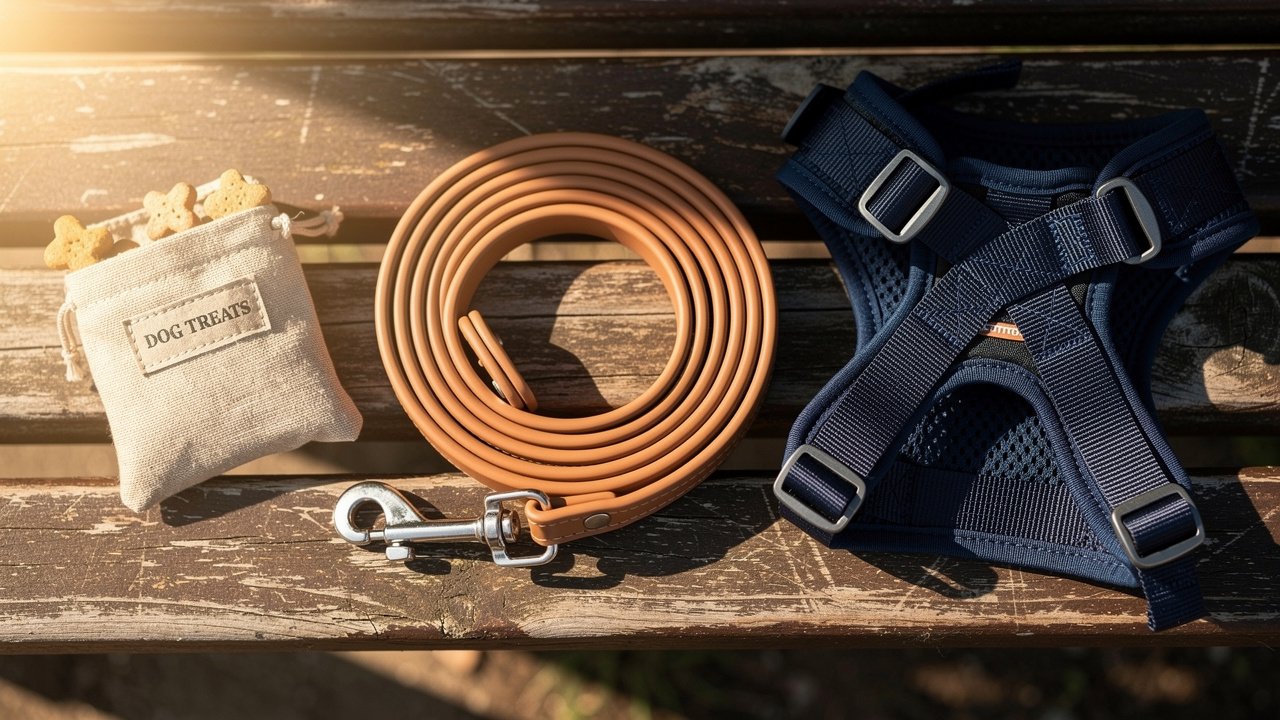
Choosing the right gear makes how to use a long leash for recall much easier. The goal is a line that feels safe in your hands and comfortable for your dog.
When you shop for a long line, think about:
Length: I usually suggest starting around 5 to 10 meters. That range gives plenty of movement without turning the line into a spaghetti pile at your feet. Many trainers in the Association of Professional Dog Trainers community recommend similar lengths for beginners. Very long lines, such as 20 or 25 meters, are better once you are confident with handling.
Material: A thin, shiny rope can slip and burn your hands if your dog takes off. Webbing or coated fabrics such as Biothane-style materials stay grippy even when wet and are easy to rinse after beach or park sessions. Lightweight lines suit small breeds, while heavier webbing works better for big, strong dogs.
Hardware and handle: Look for a sturdy clip that spins freely so the line does not twist. A simple loop handle is enough for most people and is less likely to snag on branches or railings.
One point I never skip:
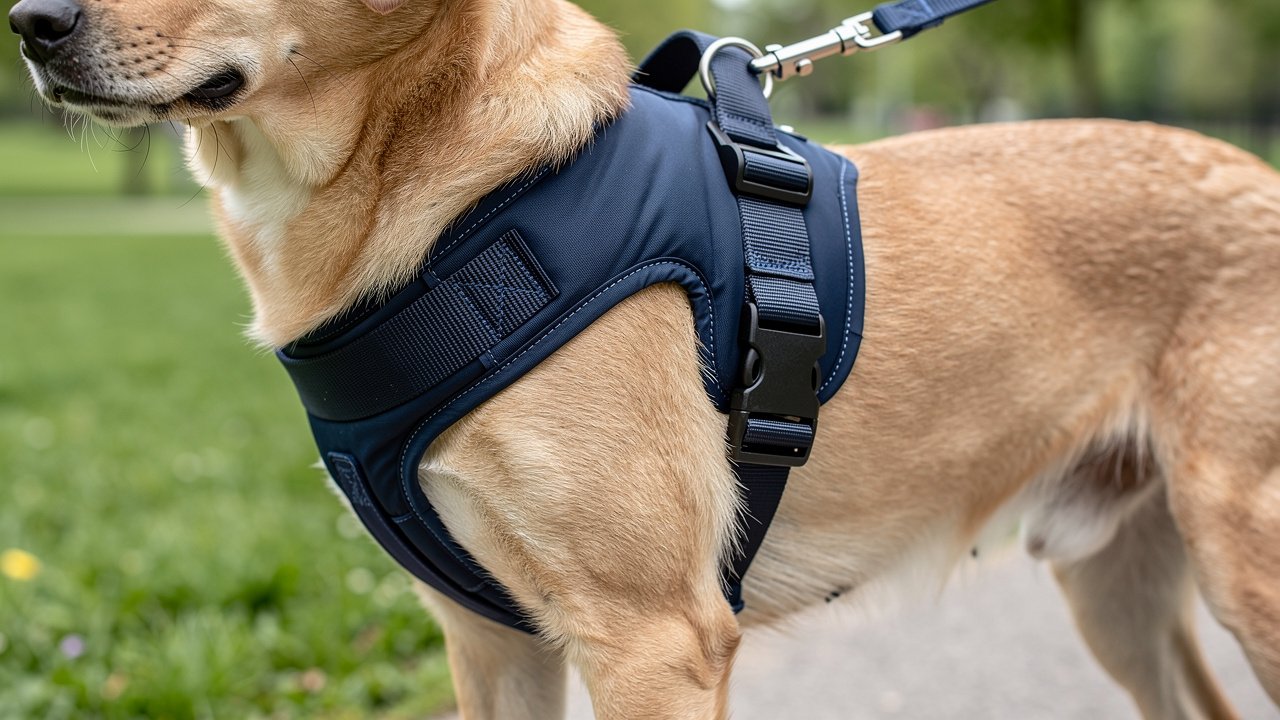
Use a fixed-length leash, never a retractable one, for recall practice. Retractable leashes change length without warning and encourage steady pulling. Attach the long line to the back clip of a well-fitting walking vest or body strap, not a collar — a point reinforced by research on Behaviors of Shelter Dogs during harnessing and leash walks, which highlights how equipment fit directly influences a dog’s comfort and behaviour. According to PetMD, pressure on the neck can harm the trachea and spine, so spreading force across the chest is far safer.
How to Hold and Manage a Long Leash Safely
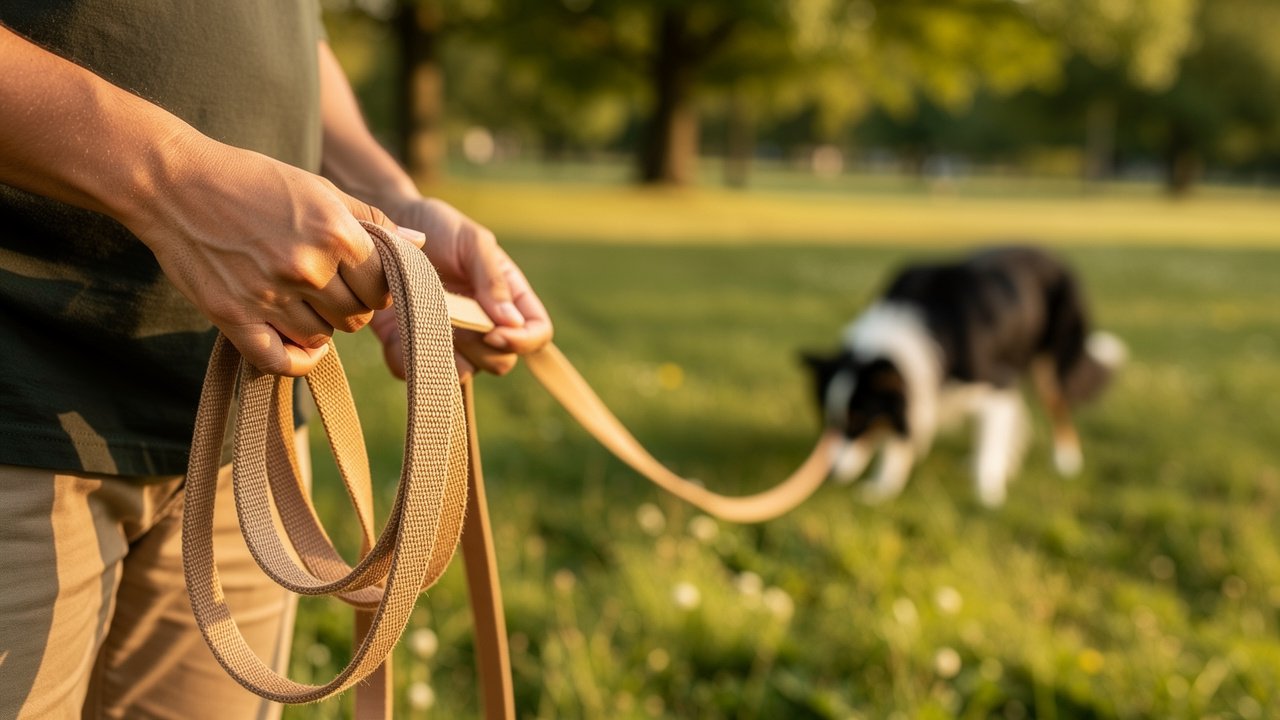
Safe handling is the base of how to use a long leash for recall. Managed well, the line protects both you and your dog. Managed poorly, it can cause burns, trips, or sudden jerks.
I start every session by laying the line out and checking for knots. Then I clip it to the walking vest and gather the extra length into loose loops in my palm. I never wrap the leash around my fingers or wrist, because a sudden sprint could tighten that loop and hurt my hand. Research shared by Cornell University College of Veterinary Medicine notes that sudden leash jerks can injure both a dog’s neck and back, so smooth handling really matters.
I keep two hands on the line. The hand closer to my dog feeds line out or takes it in, while the other hand holds the spare loops. My goal is a gentle, slack line most of the time. A tight line tells your dog exactly where you are without them needing to look at you, which does not help recall.
When a dog speeds up toward something worrying, I use a grip-and-release motion with the nearer hand to slow them instead of one hard yank. If my dog truly bolts, I let the line slide and step on it with my foot rather than grabbing the moving rope. In busy places like Bishan–Ang Mo Kio Park or East Coast Park, I shorten the line so it stays close and does not trip kids, cyclists, or other walkers.
Three simple rules keep long leash safety high: keep the line off your skin when it is moving fast, never wrap it around body parts, and shorten it before you walk through crowded spaces.
Step-By-Step Recall Training With a Long Leash
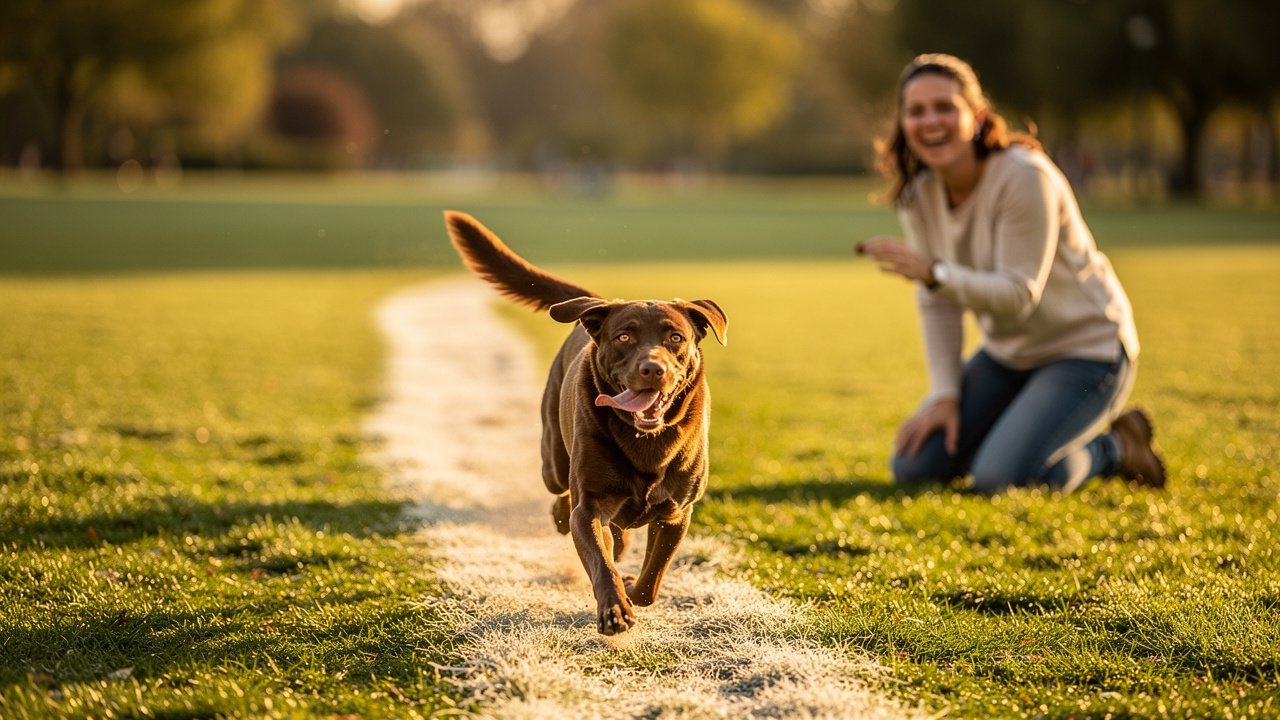
Step by step recall training with a long line shows you exactly how to use a long leash for recall in daily life. The leash is only a safety net. The real learning comes from clear cues and great rewards.
Here is the pattern I use with most dogs:
Start in a quiet, low-distraction spot. An empty corner of a park or a quiet HDB field works well. Let your dog wander near the end of the line and sniff so they are doing their own thing.
Call once, then move. When they are slightly distracted, say your recall word once in a happy voice, then move backward a few steps to invite them in. As soon as they reach you, pay with top-tier rewards. According to RSPCA, dogs trained with reward-based methods show fewer signs of stress than dogs trained with punishment, which is exactly the tone I want.
Build speed and enthusiasm. When your dog starts racing back in easy settings, gently raise the challenge. Practise in a busier part of the park, near other dogs on leash, or along a path with joggers. The long line still stays mostly slack. If your dog chooses to respond, they win treats, play, or a short tug session. Sometimes the reward is even a quick release back to sniffing, so coming to you does not always mean the fun ends.
“If your dog is ignoring you, make the exercise easier, not louder.” — PupSG trainer tip
What happens when the dog ignores the call
I do not drag them in like a fish on a hook. Instead, I gather the spare line, walk toward them calmly, and use food or a toy to get their attention nearby. Then I practise an easier recall from a shorter distance. This way, the dog learns that their choice to turn and run toward me is what makes rewards happen.
Over time, I add what trainers call a distraction ladder. We move from quiet spaces to livelier dog runs, then to parks with birds, kids, and food smells. Each change only happens once my dog is winning more recalls than they miss. PupSG training plans always suggest short sessions of 5 to 10 minutes, several times a week, which matches guidance from the American Kennel Club on effective practice.
When Is Your Dog Ready to Go Off-Leash?
Readiness for off-leash time comes from behaviour, not a calendar. I look for a dog that spins and runs to me in many places, even when something interesting is nearby.
A common guideline from trainers at PupSG and reward-based schools such as Karen Pryor Academy is that solid recall can take 2 to 12 weeks of regular practice. That range depends on age, breed, and how consistent the family is. I like to see my dog respond correctly at least eight times out of ten in real parks before I think about removing the line.
The final step is letting the long line trail on the ground while I no longer hold it. If I cannot remember the last time I had to step on the line or walk toward my dog, full off-leash freedom in safe, legal areas starts to look realistic.
Common Long Leash Mistakes That Slow Down Recall Progress
Certain habits make how to use a long leash for recall feel much harder than it needs to be. I see these patterns often with new owners, and fixing them speeds up progress.
Attaching the line to a collar instead of body gear. A running dog that hits the end of the line can jerk their neck hard. Over time, that can hurt the throat or spine. A back-clip walking vest spreads any force across the chest and keeps the neck safer.
Using the line to drag the dog. When you reel them in, the dog learns to fight pressure rather than choose you. Repeating the cue again and again has a similar effect, because it tells them the first call did not matter. Say the word once, then help them succeed from a shorter distance so they can hear that one word as a clear cue.
Letting dogs greet or play while still on the long line. The leash can wrap around legs, tails, or even another dog’s neck in seconds. Groups such as SPCA Singapore warn about injuries from tangled leashes. I keep long line sessions as solo training time and only let my dog meet others when all leashes are short or off.
Getting angry when the dog finally comes back. If returning leads to scolding or grabbing, the dog thinks coming to you is unsafe. Even if it took a while, I always reward the return. That way the last part of the story still feels good for them, and next time they come faster.
Building Your Recall Routine With PupSG
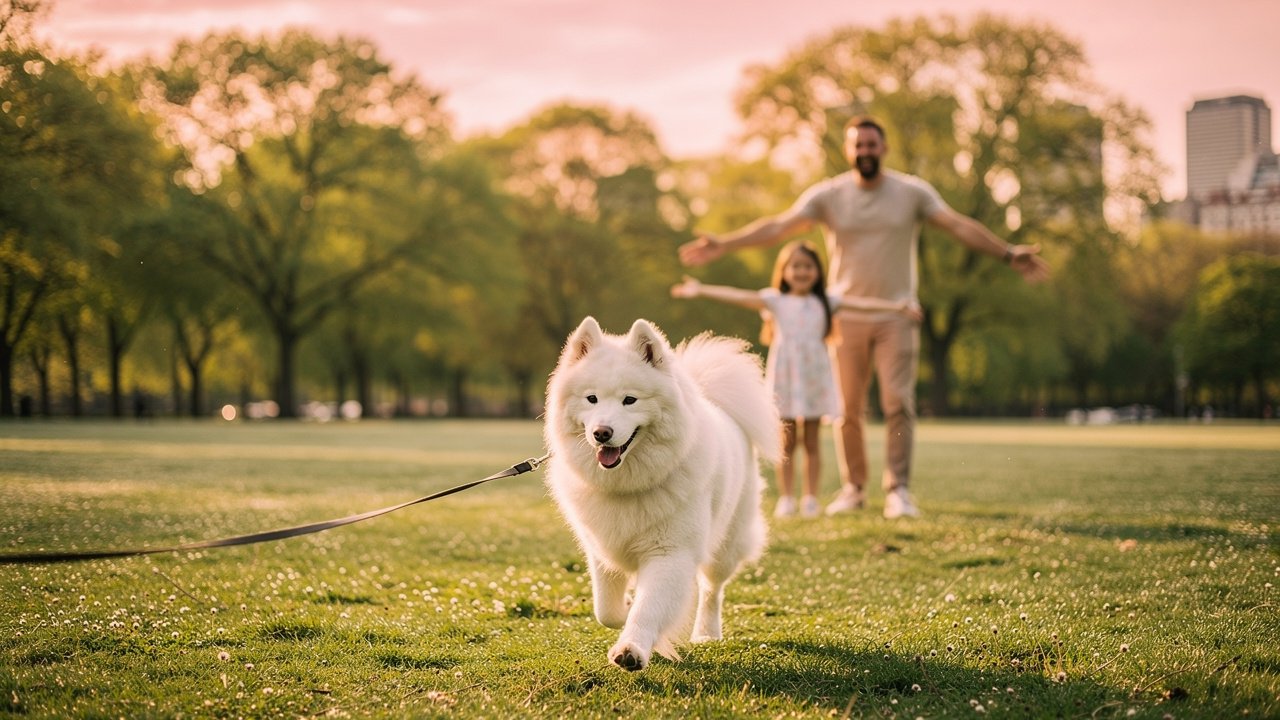
Building a recall routine means fitting these steps into real life. I like to keep things simple so busy families can stick with them.
Pick two or three short windows each week, such as early mornings at East Coast Park or quiet evenings near your block. In each session, spend about five minutes on long line recall games, aiming for several easy wins for your dog. You can even note your successes in a simple phone memo so you see progress over time. According to the American Veterinary Society of Animal Behavior, short, upbeat sessions help dogs learn faster than long, stressful ones.
Inside the PupSG community, we break this process into tiny, clear actions so first-time owners never feel lost, drawing on frameworks similar to those described in New Strategies of Canine post-adoption support, which outline evidence-based methods for building lasting training habits. We talk about where to practise safely in Singapore, how to pick rewards your dog loves, and how to keep the whole family using the same cue. With that support, how to use a long leash for recall shifts from a scary task to a simple weekly habit that fits around school runs, work, and family time.
Conclusion
Reliable recall protects your dog more than almost any other cue. A long leash gives you the perfect bridge between strict on-leash walks and true off-leash fun, without risky guesswork.
By choosing a suitable line, holding it safely, and following the step plan, you teach your dog that racing back to you is always worth it. Avoiding common mistakes keeps trust high and setbacks small. At PupSG, we build recall as a joyful habit for both dogs and humans, one short session at a time, so every call of “come” feels clear, calm, and rewarding.
Frequently Asked Questions
Question 1: How Long Should I Use a Long Leash Before Going Off-Leash?
Most dogs need at least a few weeks on the long line. Many trainers, including those at PupSG and Karen Pryor Academy, suggest a range of 2 to 12 weeks, depending on age, breed, and how consistent the practice is. Watch your dog’s behaviour: when they are responding to the recall cue about eight times out of ten in several parks, you are likely ready to start testing short periods off-leash in safe spaces.
Question 2: Can I Use a Long Leash with a Puppy?
Yes, a long leash is great for puppies when used gently. Keep sessions very short, around five minutes, and work in quiet areas first. Use soft walking vests or body straps and tiny, tasty treats so the pup loves coming back to you.
Question 3: What Length Long Leash Is Best for Beginners?
For most beginners, 5 to 10 meters works best. That length gives your dog room to explore without creating constant tangles. Once you feel confident handling the line and your recall is stronger, you can try a slightly longer leash if needed, especially in open fields or beaches where you can see distractions early.
Question 4: Why Does My Dog Ignore the Recall Cue on the Long Leash?
Your dog likely does not find the cue valuable enough around distractions yet. Go back to easier places, use very high-value rewards, and practise many quick, successful recalls. Keep the timing sharp: say the cue once, reward as soon as they reach you, and then release them to sniff again. Make sure everyone in the family uses the same word and reward style.
Question 5: Is It Safe to Let Other Dogs Approach While My Dog Is on a Long Leash?
No, that setup is not safe. Long lines can wrap around legs, tails, or necks when dogs run or circle each other. Keep recall training on the long leash as a solo activity, then let dogs meet only when all leashes are short or removed in a safe area where you can watch their body language closely.
Leave a Reply