
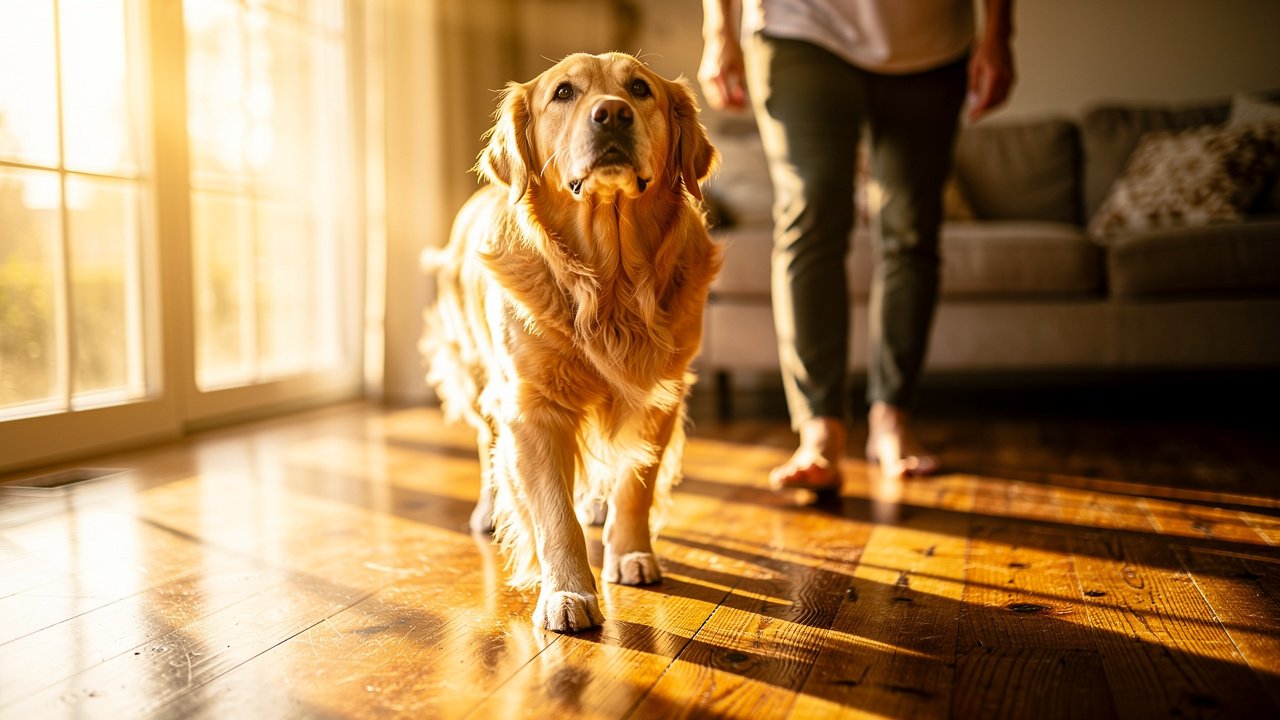
Introduction
If you keep wondering, “why does my dog follow me everywhere,” you are in very good company as a dog parent. It feels cute at first, then confusing when even bathroom trips turn into a two‑member parade.
Your dog follows you because of pack instincts, early bonding, learned rewards, and sometimes anxiety or health changes. In this guide I break down the science, show how to spot the line between Velcro habits and separation anxiety, highlight which dogs shadow most, and share PupSG‑style, positive reinforcement steps that build calm independence.
Stay with me and I will walk through it step by step so you can enjoy the closeness without feeling constantly trailed.
Key Takeaways
Most dogs follow from instinct. So when I ask why does my dog follow me everywhere, instinct sits high on the list. That behavior fits normal dog life.
Velcro habits and separation anxiety differ. One shows relaxed choice, the other deep panic. The dog’s mood tells you which.
Breed and history matter. Working and lap breeds often cling harder. Rescue dogs may shadow one person while they settle in.
Positive reinforcement builds independence. Reward calm distance, use simple place cues, and add mental exercise. Serious fear calls for professional support.
Why Does My Dog Follow Me Everywhere? The Science Behind The Shadow

When I ask myself why does my dog follow me everywhere, the answer starts in history and biology. Dogs evolved beside people for thousands of years, so staying close to us feels as natural as breathing for them — a topic explored in depth by research on why dogs love humans and what drives that enduring bond. In a modern home, my family simply replaces the old pack.
Pack animals feel safest when they can see their group. That is why many dogs rest near the sofa, the door, or even the shower. According to the American Kennel Club, dogs read our body language so well that they notice tiny shifts we never think about, which keeps them glued to our side.
Many behaviorists like to remind owners, “Your dog is not being needy for no reason — staying near you is part of being a dog.”
For puppies the habit grows even stronger. Studies from the University of Lincoln and other behavior labs compare puppy attachment to the bond between a child and a parent. During the first months of life, a puppy that leaves the litter often treats the main human carer like a mother dog, so constant following feels like survival, not misbehavior.
There is also plain curiosity. National Institutes of Health research shows that dogs watch human faces and gestures far more than most pets, because those cues predict food, walks, and play. So my little shadow is not only expressing love, but also running a careful study of my every move.
How Learned Behavior And Unmet Needs Keep Your Dog Glued To You
On top of instinct, daily habits answer a lot of the question why does my dog follow me everywhere. Dogs repeat whatever pays well. If every step behind me wins a pat, snack, or excited voice, my dog quickly learns that shadow behavior produces rewards. Without meaning to, I may train a Velcro dog one cookie at a time.
I also keep in mind that following often points to simple needs rather than clinginess. A dog that trails me to the kitchen may feel hungry, thirsty, bored, or simply in need of a toilet break. So I first check water, food, and walk times before I label the behavior clingy. Often, meeting those simple needs reduces the constant escort far more than any fancy trick.
To keep things clear, I ask myself:
Is my dog getting paid for following? If attention, treats, or play only happen when the dog is at my heels, I am rewarding the shadow.
Are basic needs covered? Fresh water, regular meals, toilet breaks, and real rest all lower clingy behavior.
Is my dog bored? Many dogs follow because nothing else is happening. Short training games or chew toys can give them another job besides tracking my every move.
Is My Dog A Velcro Dog Or Does My Dog Have Separation Anxiety?

When I hear “why does my dog follow me everywhere,” I first ask how the dog feels when I leave. A Velcro dog prefers to stay close, yet still rests, eats, or plays when I step out. A dog with separation anxiety tips into real panic, with pacing, drooling, or loud barking the moment the door shuts.
Behavior experts at the ASPCA describe separation anxiety as one of the most common reasons for calls to trainers and veterinarians, which shows how intense it can feel for both dog and family. In my house, I watch the difference between a dog that dozes after I leave and one that claws at the door or ignores food. That emotional state, not the simple act of following, tells me what I face.
A helpful way to think about it is, “Following is a habit, panic is a welfare problem.”
I also know that my own behavior can push a clingy dog toward anxiety. If I make a huge fuss every time I leave or come home, my dog learns that door moments matter a lot. At PupSG we focus on calm, low‑key exits and returns, and our Dog Separation Anxiety Program walks owners through gentle steps so early Velcro habits do not snowball into full separation anxiety.
Warning Signs That Following Has Crossed Into Anxiety
Once I sense my dog feels more than mild worry, I start to look for clear signs of anxiety. These patterns show that simple following has turned into distress that needs help.
Destruction near exits. Chewed doors, damaged crates, or scratched walls near exits appear often. They point to frantic escape attempts, not boredom. Dogs can even injure teeth or claws in the process.
House soiling right after you leave. Urine or stool on the floor right after I leave signals stress, even if house training seemed solid. The nervous system overrides normal habits. Punishment only adds fear and never solves the root issue.
Nonstop noise. Nonstop barking, howling, or whining for long periods shows that my dog cannot calm down alone. Neighbors often notice this first. A video camera or baby monitor can confirm what happens after I walk out.
Big behavior swings. Some anxious dogs snap or growl at people who approach their chosen person. Others shut down, sleep too much, or refuse favourite toys. Both patterns come from fear, so they call for gentle support, not scolding.
If I spot more than one of these, I treat it as a sign to slow down, use kind training, and talk with a veterinarian or qualified trainer.
Which Dogs Follow Their Owners The Most — And Why Your Dog Might Be One Of Them

Part of the answer to why does my dog follow me everywhere sits in breed, age, and life story. Some dogs came from lines that stayed close to shepherds, farmers, or hunters, so they still track every step of their person. Others spent centuries as lap dogs, so human contact sits at the center of their day.
Border Collies, German Shepherds, and Australian Shepherds fall into the herding and working groups that the American Kennel Club describes. These dogs watched people for hand signals all day, so they now keep owners inside their sight. Companion breeds such as Pugs, Chihuahuas, French Bulldogs, Golden Retrievers, and Yorkshire Terriers often follow for cuddles as much as for cues.
In multi‑person homes a dog rarely spreads that focus evenly. I often see dogs choose the person who feeds, walks, and trains them most, or the one who plays the wildest games — reflecting findings that dogs often develop personality traits that mirror their primary caregiver’s behavior and routines. From the dog’s view, that person controls the door to everything fun, so shadow mode locks in.
Rescue dogs can cling even harder. After time in a shelter or a stressful home, one stable human can feel like a lifeboat — a dynamic supported by comparative caregiving and emotional research examining how dogs form intense attachments after displacement. For these pups I use slow, steady routines and a lot of predictability, so they learn that safety comes from the whole household, not just from one body they trail all day.
How To Encourage Independence In My Dog Without Hurting Our Bond

When I want a kind answer to why does my dog follow me everywhere, I work on independence without breaking our bond. The goal is not to push my dog away, but to show that good things still happen even when we are on opposite sides of the room. That balance works far better than scolding or force.
Many trainers remind owners, “Teach your dog how to relax away from you before you need them to relax away from you.”
Here are the main steps I use:
Stop paying for shadow habits. When my dog trails me from sofa to sink, I stay calm, quiet, and boring. I keep my hands to myself and skip the chatter.
Teach a comfy place. I introduce a comfy bed and teach a simple place and stay cue with treats, so my dog learns that rewards drop for relaxing a short distance away.
Add exercise and brain work. I also protect time for real exercise and brain work. According to the Centers for Disease Control and Prevention, adults need at least 150 minutes of moderate activity each week, and regular dog walks help many owners reach that target. Fetch, sniff walks, puzzle feeders, and short training games leave my dog tired in a good way, which means more napping and less pacing behind me.
Share the fun jobs. Finally I share the fun jobs with other family members. Different people take turns feeding, walking, and running short training sessions, so my dog sees several humans as safe leaders.
PupSG’s Positive Reinforcement Training Guides and Family Dog Training resources give busy homes simple plans for this work, and PupSG’s Dog Separation Anxiety Support Plan adds step‑based desensitization when a dog already feels on edge about time alone.
The Bottom Line: Your Dog Follows You Because You Are Their Whole World

For me the bottom line is simple. When I wonder why does my dog follow me everywhere, the answer usually lies in love, history, habit, and sometimes a little worry. A shadow dog sees me as food source, safety net, and best friend in one package.
When I pair that bond with clear boundaries and positive reinforcement, I give my dog real confidence. PupSG stands beside me with science‑based guides and a friendly community, so I can enjoy the sweet bathroom shadow without letting anxiety take over our shared life.
Frequently Asked Questions
Question 1: Is It Normal For My Dog To Follow Me To The Bathroom?
Yes, this behavior is very normal. Most dogs ignore our idea of privacy and simply follow their pack anywhere, including the toilet, so the bathroom shadow often grows from attachment and rewards for staying close. If you still ask why does my dog follow me everywhere, worry only when your dog cries, scratches, or refuses to settle once the door shuts.
Question 2: At What Age Do Dogs Start Following Their Owners?
Many puppies start close following as soon as they can walk well. Imprinting often grows between eight and twelve weeks, which matches the usual adoption window that the American Kennel Club describes. Older dogs can also pick up the habit if their health, routine, or home changes. When that shift feels sudden, I look for pain or confusion and call my veterinarian.
Question 3: Should I Let My Dog Follow Me Everywhere?
Yes, moderate following is fine for most families, so you do not need to panic about why does my dog follow me everywhere. It usually shows trust and a healthy bond, as long as your dog can still relax when you leave. I still like to teach a place cue and reward calm time on a bed, so my dog also feels safe a few meters away.
Question 4: Can Following Behavior Suddenly Start In An Older Dog?
Yes, new clinginess in a senior dog deserves serious attention. Sudden shadow behavior can signal vision loss, hearing changes, pain, or early cognitive decline, according to American Veterinary Medical Association guidance. When an older dog who once liked space now trails me nonstop, I book a vet visit quickly. Medical care and smart home changes often ease both the fear and the following.
Question 5: How Do I Stop My Dog From Following Me Without Making Them Feel Rejected?
To reduce following kindly, I reward calm distance instead of closeness. I send my dog to a place bed, drop treats there, and offer chew toys or food puzzles nearby. I avoid scolding and keep my voice light so space still feels safe. Over time that shift answers my why does my dog follow me everywhere worries. For a step‑based plan, PupSG’s Positive Reinforcement Training Guides walk owners through exercises that build confidence while keeping the bond strong.
Leave a Reply