
Introduction
The first few days with a new puppy can feel like living with a very cute, very small sprinkler. One minute everything is fine, the next there is a surprise puddle on the floor. A clear dog potty training schedule turns that chaos into a simple routine that everyone in the home can follow and stick with.
Many owners tell us they feel lost at first. They are not sure how often to go outside, whether the puppy is “stubborn,” or why accidents keep happening even after a good day. When we break things down into a timed dog potty training schedule, paired with rewards, patience, and simple tracking, progress suddenly feels much easier.
At PupSG, we build every dog potty training schedule on science and kindness, not punishment. We focus on timing, routines, and positive reinforcement that fit into real life, even for busy families. When the schedule is clear, puppies relax faster and owners stop second‑guessing every decision.
In this guide, we walk through how a puppy’s body works, how to build a realistic dog potty training schedule, what to do during each trip outside, and how to handle accidents without stress. By the end, you will have a simple plan you can start right away and the confidence to stick with it.
Key Takeaways
A consistent dog potty training schedule gives a young puppy many chances to succeed, especially during the first few weeks. Very young puppies often need to go out every 30 to 45 minutes when awake, which sounds intense at first but prevents many accidents.
The “month plus one” guideline helps estimate how long a puppy can hold their bladder during the day. For example, a two‑month‑old might manage about three hours at most, but the dog potty training schedule should still offer more frequent breaks than that limit.
Rewards make the schedule work. When a puppy finishes in the right spot and gets quick praise and a treat, the pattern becomes clear. Over time, the dog connects the whole dog potty training schedule with good things and is eager to head outside.
Building the schedule around natural moments such as waking up, after meals, after play, and before bed lines up with how a puppy’s body works. When every family member follows the same pattern, the dog potty training schedule becomes simple and predictable.
Calm, kind crate time and limited freedom support the schedule. Puppies sleep more, stay safe, and are less likely to sneak off and have hidden accidents.
Accidents do not mean failure. Calm redirection, good cleanup with an enzymatic cleaner, and a return to the schedule are the right responses, not punishment or scolding.
As many experienced trainers say, “House training is not about perfection; it’s about giving your puppy enough chances to get it right.”
Understanding Your Puppy’s Bladder and Potty Signals
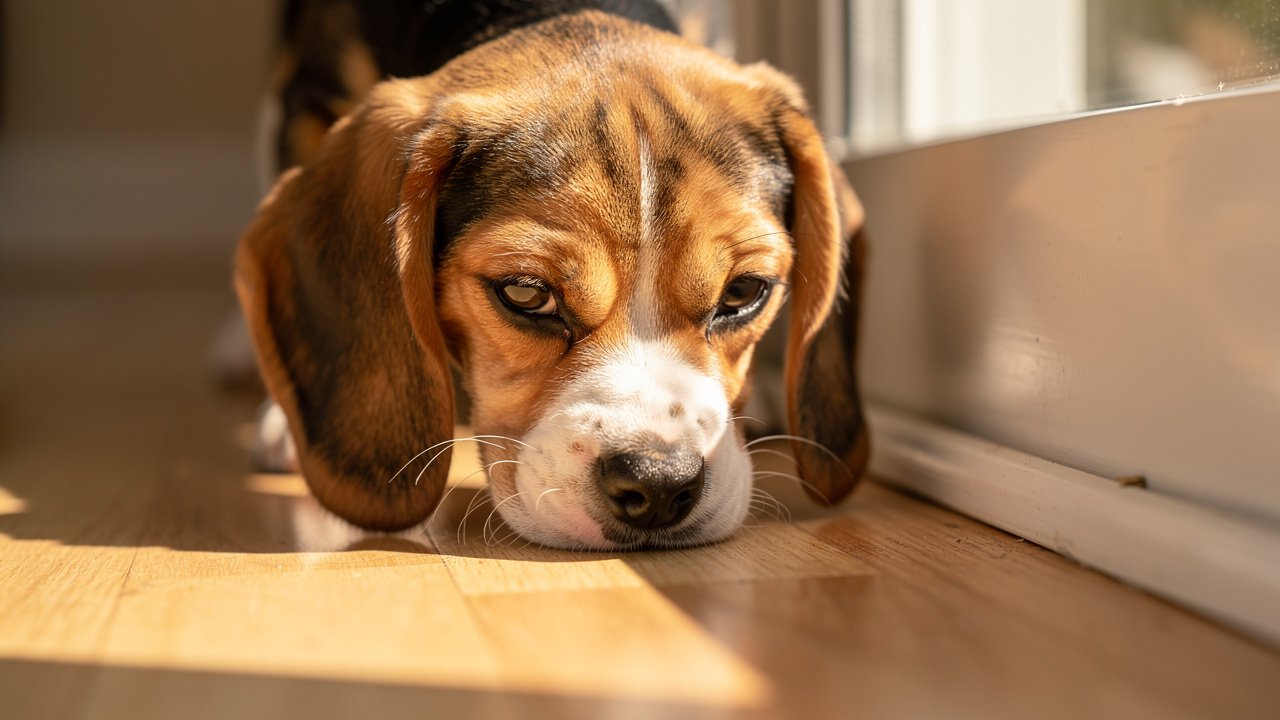
Before setting any dog potty training schedule, we need to understand what a young puppy can realistically do. Puppies do not have full control over their bladder or bowels yet. When they need to go, they often cannot wait very long, even if they seem smart and eager to please.
A helpful rule is the “month plus one” guideline. Take the puppy’s age in months and add one to estimate the maximum number of hours they might hold it during the day:
2‑month‑old puppy: up to about 3 hours
3‑month‑old puppy: up to about 4 hours
4‑month‑old puppy: up to about 5 hours
5‑month‑old puppy: up to about 6 hours
This is the upper limit, not the target. A good dog potty training schedule gives more frequent breaks so the puppy rarely reaches that point.
Puppies often manage a bit longer at night because they are asleep and their body slows down. Even so, many young pups still need one or two bathroom trips during the night. Planning for that in the dog potty training schedule keeps both the puppy and the bedding dry.
Learning a puppy’s body language is just as important as watching the clock. Common signs that your puppy needs to go include:
Intense sniffing of the floor or furniture
Circling in one spot
Drifting away from family members or play
Whining or sudden restlessness
Pausing during play and looking distracted
Trotting quickly toward the door or a quiet corner
When we act the moment we see these signals and take the puppy out, we prevent accidents and show that we are paying attention.
“If you wait until your puppy is already squatting, you’re too late,” many behavior specialists remind owners. “The real skill is spotting the 30 seconds before that happens.”
At PupSG, we always start with this kind of understanding. When owners see that accidents come from biology, not “bad behavior,” it becomes much easier to stay calm, stick to the schedule, and praise progress.
Building Your Dog Potty Training Schedule Around Daily Routines
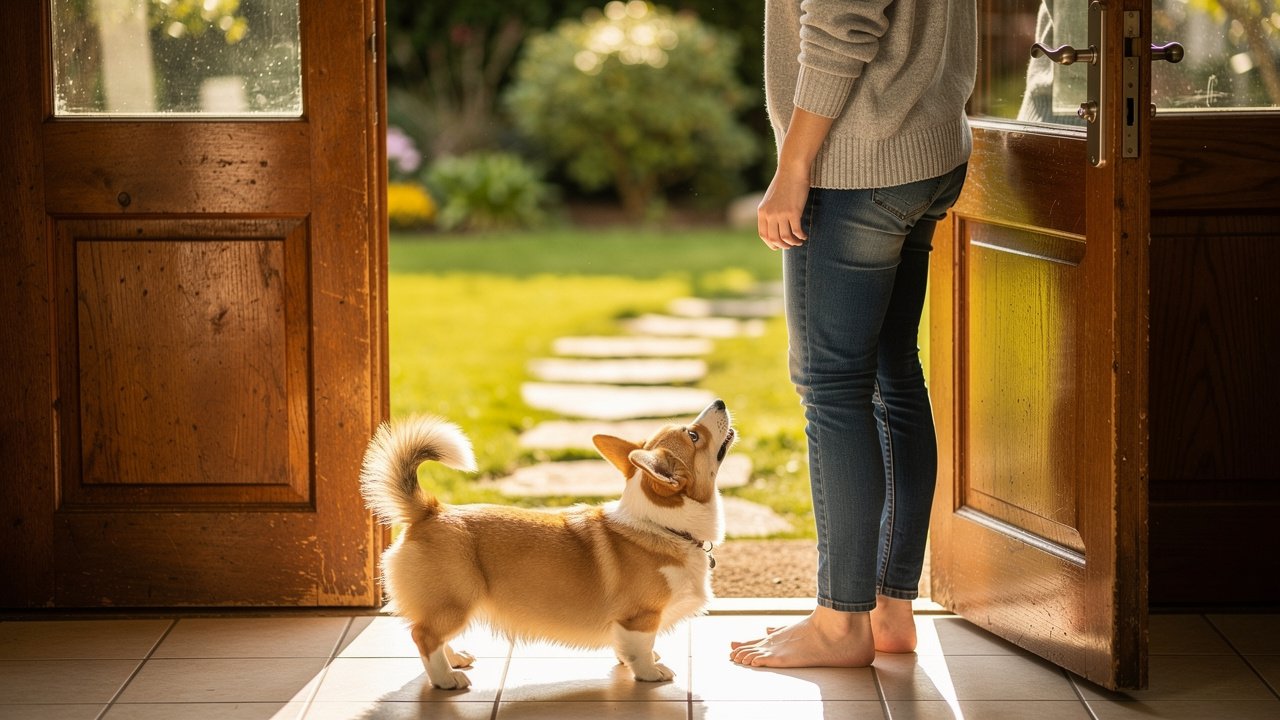
A strong dog potty training schedule fits around daily life instead of fighting it. When we attach potty breaks to predictable moments, the routine becomes easier for humans to remember and for puppies to learn.
Every day should begin with an immediate trip outside. Before checking messages or starting coffee, we take the puppy from the crate and head straight to the potty area. For a very small pup, carrying them to the door can prevent an accident on the way. This first step sets the pattern for the rest of the dog potty training schedule.
Meals are the next anchors. Puppies usually need to go within 5 to 30 minutes after eating. The younger they are, the sooner that need appears. When we feed at the same times each day, bathroom times also become more predictable. Part of a smart dog potty training schedule is avoiding food within two hours of bedtime so the puppy has a better chance of staying dry overnight.
Naps and play sessions are big triggers, too. Waking up, even from a short nap, often leads to a full bladder. Active play or training can stir up the digestive system. A good rule is simple: every time the puppy wakes up or a play session ends, the next stop in the dog potty training schedule is the outdoor potty spot.
Between these events, daytime intervals depend on age and progress. For very young puppies, we may go out every 30 to 45 minutes when they are awake. As they stay dry more often, we can slowly stretch that gap closer to 60 or 90 minutes, always keeping the “month plus one” guideline in mind.
Here is an example of a simple daytime dog potty training schedule for a 10‑week‑old puppy:
6:30 am – Straight outside from the crate
7:00 am – Breakfast, then outside within 10–15 minutes
Every 30–45 minutes while awake – Quick potty trip
After every nap – Straight outside
After every play session or training game – Outside again
6:00–7:00 pm – Last meal of the day
Bedtime – Final long potty break, calm and unhurried
Busy families do well when they write the dog potty training schedule on a fridge or share it in a group chat. Simple phone reminders can also keep everyone on track. At PupSG, we see the best results when every adult and older child uses the same timing, words, and routine so the puppy never has to guess what will happen next.
Positive Reinforcement Techniques That Make the Schedule Work
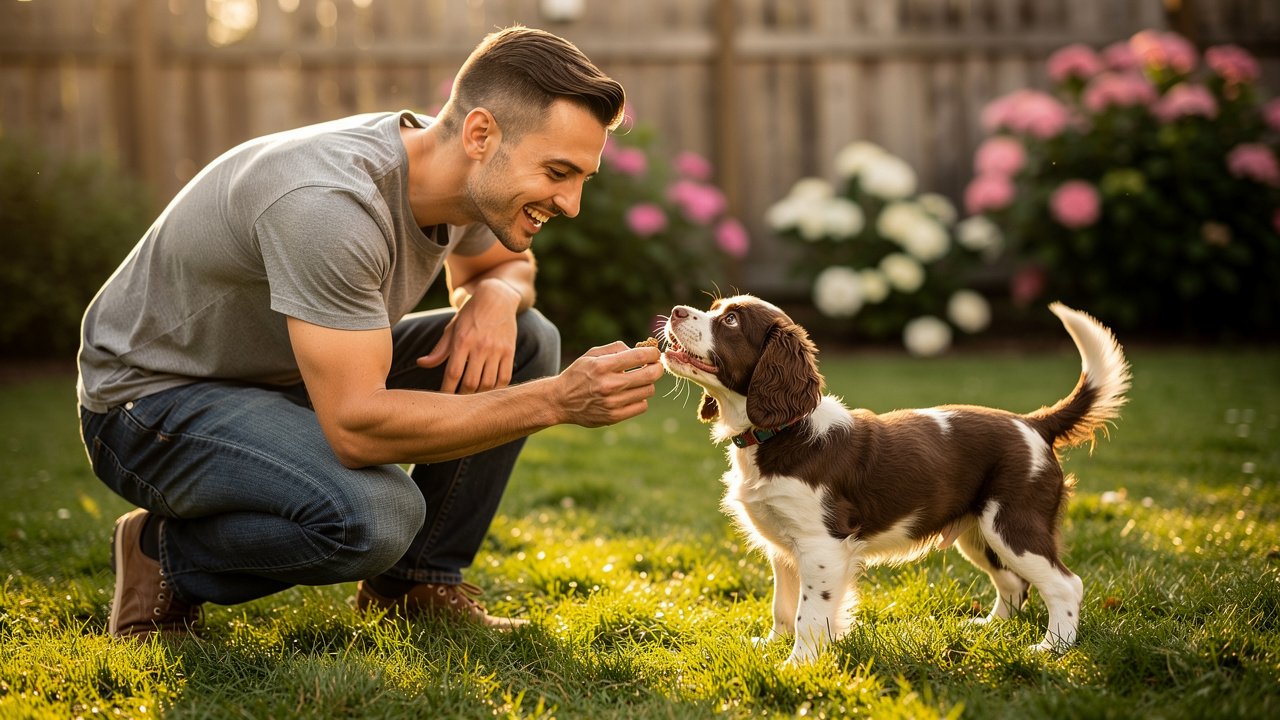
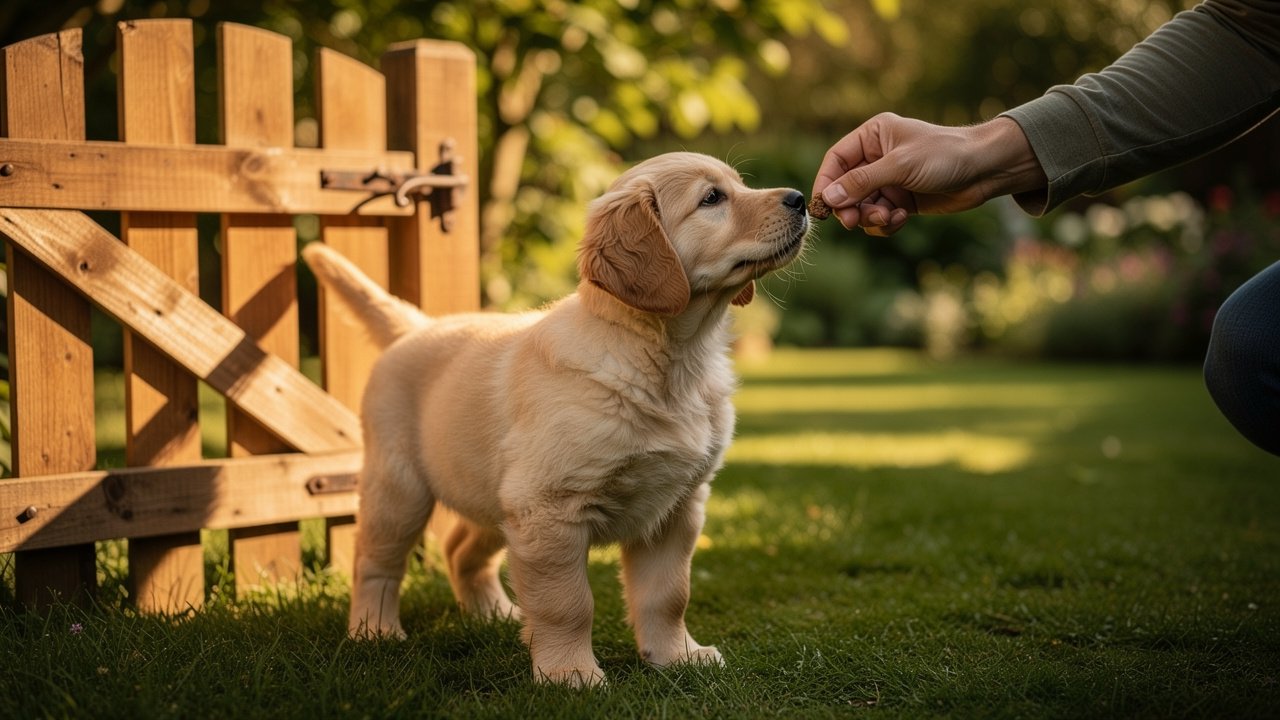
A dog potty training schedule creates the right timing, but what we do during each trip outside is what teaches the lesson. Positive reinforcement turns those many small moments into clear learning.
We like to keep puppies on a leash, even in a fenced yard, when we follow the dog potty training schedule. This keeps them focused on the task instead of wandering off to play. It also puts us close enough to reward them the second they finish, which is key for learning.
Choosing one simple outdoor spot helps a lot. The scent in that area tells the puppy “this is the bathroom.” Each time we follow the dog potty training schedule, we bring them to that same patch of grass or gravel, stand quietly, and wait. As they start to pee or poop, we add a short phrase such as “go potty” in a calm voice. With many repeats, this cue becomes a signal that helps in new places or during bad weather.
The timing of rewards matters. The moment the puppy finishes in the right spot, we praise and hand over a small, very tasty treat. If we wait even a few seconds, the puppy may not connect the snack with the bathroom trip. When every step of the dog potty training schedule ends with that fast, happy reward, the dog starts rushing to the right place.
Some simple do’s and don’ts help this work smoothly:
Do use tiny, soft treats your puppy loves.
Do keep your voice light and cheerful when praising.
Do end the potty trip with a minute of calm sniffing or a short walk so outside time is not only about business.
Don’t drag your puppy around the yard or repeat the cue over and over.
Don’t interrupt to play until they have fully finished going.
Crate time is another tool that supports the schedule. Dogs usually avoid soiling their sleeping area. We always give a potty break right before the puppy goes into the crate and again the instant they come out. We do not put potty pads in the crate, because that blurs the line between bed and bathroom and weakens the dog potty training schedule.
Some families also like bell training. A small bell hangs near the door. Each time we follow the dog potty training schedule and go out, we gently help the puppy tap the bell, then open the door. Before long, the dog learns to ring the bell alone to ask for a potty trip.
A common trainer reminder is, “Reward what you want to see again.” When a puppy gets paid well for going outside, they repeat that choice more and more.
This kind of kind, reward‑based approach is at the heart of PupSG’s method. It keeps stress low for both puppy and owner and makes every part of the dog potty training schedule clear and fair.
Handling Accidents and Staying on Track
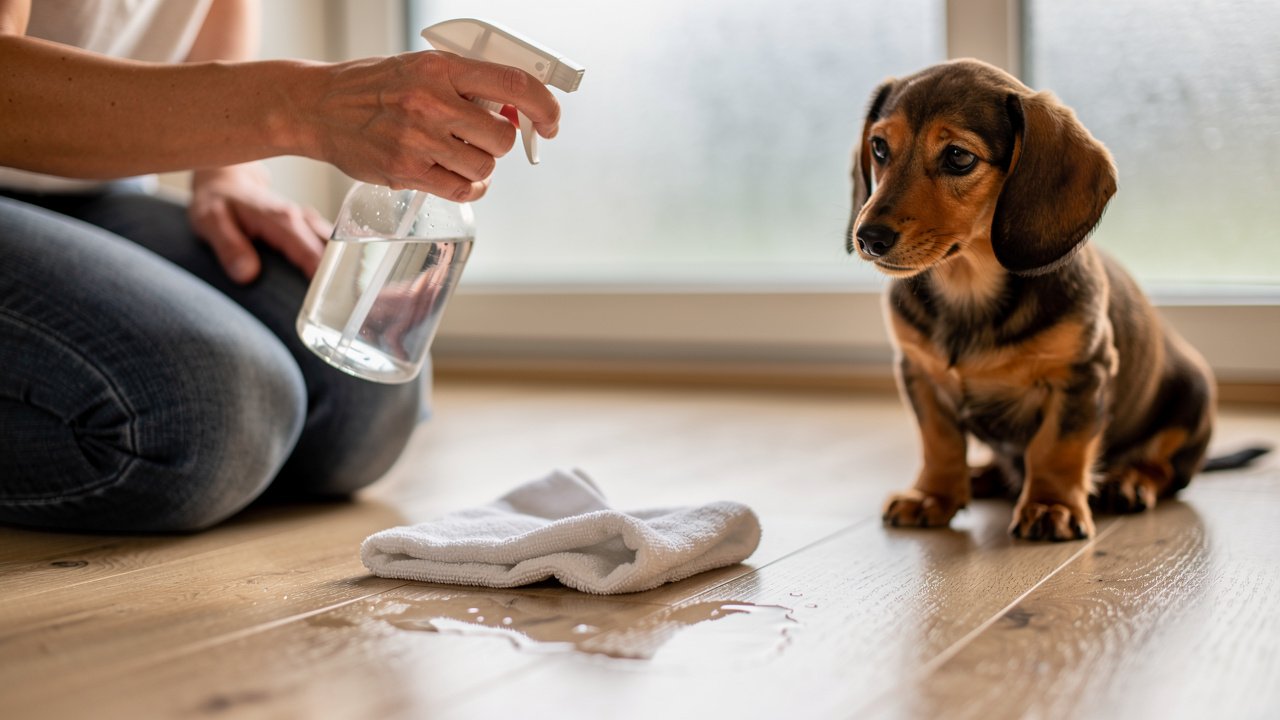
Even with the best dog potty training schedule, accidents will happen. Carpets get wet, and we sigh. How we respond in those moments has a big effect on future progress.
If we catch the puppy in the act, a single sharp but gentle sound, such as a clap or an “uh‑oh,” is enough to interrupt them. We do not yell or punish, because that can make a puppy afraid to go near us at all. Instead, we calmly guide or carry them to the outdoor potty spot. When they finish there, we praise and treat as usual, which folds the mistake back into the dog potty training schedule in a helpful way.
When we only find the mess later, there is nothing to teach in that instant. Puppies cannot connect delayed scolding with something they did minutes ago. In that case we simply clean the area, check whether we missed a planned trip on the dog potty training schedule, and adjust our supervision.
Cleaning matters more than many people think. Regular cleaners often leave behind scent markers that still smell like a bathroom to a dog. An enzymatic cleaner breaks down those smells so the puppy is less likely to return to the same place. Some owners even place a tissue lightly dabbed with the cleaned‑up urine in the outdoor potty spot, which can support the next trip in the dog potty training schedule.
When accidents happen, keep these points in mind:
Do not rub your puppy’s nose in the mess.
Do not shout or hit; it teaches fear, not house manners.
Do stay calm, clean carefully, and go back to basics on the schedule.
Do limit free access to rugs and carpeted rooms until your puppy is more reliable.
Certain patterns tell us the plan needs a tweak. Common issues include long gaps between outdoor trips, different family members following different rules, or giving a puppy free run of the home too early. We suggest no unsupervised access to big areas until the puppy has been accident‑free for at least a week under the dog potty training schedule.
If progress stalls despite steady effort, or if a dog who was doing well suddenly has many accidents, it is time to call a vet. Problems such as urinary infections or bladder stones can disrupt even the best dog potty training schedule, and medical help is the kindest next step.
Conclusion
A thoughtful dog potty training schedule, paired with kind, fast rewards, is the simplest way to raise a house‑trained dog. When we respect the puppy’s physical limits, watch for their signals, and follow the same routine day after day, accidents fade and good habits grow stronger.
Most families see clear daytime progress within two to four weeks when they stick with the plan, while steady overnight control often takes a few months. Every clean trip outside is a small win, and those wins add up quickly when the dog potty training schedule is consistent.
If you want step‑by‑step help, PupSG offers clear, beginner‑friendly guidance based on modern training science and real family life. We are here to support first‑time owners, busy parents, and anyone who wants kind, practical methods that feel doable. With the right plan and a bit of patience, you and your dog can enjoy a clean, calm home together.
FAQs
Question 1 – How Often Should I Take My Puppy Out on a Potty Training Schedule?
During active training, most young puppies need to go out every 30 to 45 minutes when awake. Use the “month plus one” guideline to know the longest they might hold it, then plan the dog potty training schedule with more frequent breaks than that. Always add extra trips after meals, naps, play sessions, and first thing in the morning.
For very small or toy breeds, plan on slightly more frequent outings. Their bladders are tiny, and short, regular trips are kinder than asking them to wait.
Question 2 – How Long Does Potty Training a Puppy Take?
With a steady schedule and rewards, many puppies become fairly reliable during the day within two to four weeks. Full overnight control usually takes longer, because the body needs time to mature. Many trainers consider a dog truly house‑trained after a full month with no accidents, which often happens by about six months of age.
Remember that this is an average. Some puppies catch on faster, while others need a bit more time. Sticking with the dog potty training schedule, instead of changing approaches every few days, gives your puppy the best chance to succeed.
Question 3 – What Should I Do If My Puppy Keeps Having Accidents Indoors?
First, look closely at your timetable and supervision. The current dog potty training schedule may not offer enough trips for the puppy’s age, or different family members may be following different rules. Use an enzymatic cleaner on every accident spot and limit unsupervised freedom.
You can also keep a simple log for a few days, noting when accidents happen. Patterns often jump out, such as “always after dinner” or “during evening TV time,” which tells you where to add extra potty breaks. If accidents continue in spite of a consistent plan, speak with your vet to rule out health problems.
Leave a Reply