How to Train a Family Dog in 10 Minutes a Day
Introduction
The good news is that effective dog training for beginners does not need long, formal classes. With the right plan, just ten focused minutes a day can change how a dog behaves with the whole family. Short, smart practice sessions can:
- Give a dog clear rules
- Help kids feel safe
- Make daily life calmer and more predictable
This guide shares simple family dog training tips based on modern science and positive reinforcement dog training. That means teaching with rewards instead of fear, and building habits that last for years. This puppy training guide breaks dog behaviour training into easy steps that fit into busy family life. By the end, you will have:
- A clear daily dog training routine
- Step‑by‑step instructions for key dog commands training
- A full house training plan
- Practical socialisation ideas
- Simple ways to fix common problems, whether the dog is a tiny puppy or an older rescue
Key Takeaways
Positive reinforcement (rewarding the behaviour that is wanted) is the safest and most effective way to train. Dogs learn faster, feel safer, and show fewer behaviour issues when training is based on rewards instead of fear or pain, and the bond with the family grows stronger every day.
Ten minutes of focused family pet training each day can bring real change. Short, regular sessions build habits in the dog’s brain much better than rare, long sessions, and they are easier for children and adults to keep going with even on stressful days.
Consistency is more important than talent. If every family member uses the same words, hand signals, and rules, the dog understands what is expected. Mixed messages from different people slow learning and often create confusion and unwanted behaviours.
A few basic obedience training skills, such as sit, stay, come, down, and leave it, are the foundation for safety and good manners. Once these are solid, walks are easier, visitors are calmer, and the dog can join in more family activities with less stress.
House training needs a clear routine, close supervision, and quick rewards for toileting in the right spot. Accidents are part of learning and should never lead to punishment, because fear only delays progress and can create hidden toileting habits indoors.
Socialisation is as important as obedience. Calm, positive exposure to people, animals, places, and sounds teaches a dog how to cope with daily life, which lowers the risk of fear, reactivity, and anxiety later on.
Professional help is a smart choice if things feel stuck or unsafe. A good trainer who uses reward‑based methods can spot small details that are easy to miss at home and can design a simple plan the whole family can follow.
“Reinforce the behaviour you like; manage or redirect the rest.” – common saying among professional dog trainers
Understanding Modern Dog Training And The Science Behind Positive Reinforcement
Dog training has changed a lot over the last few decades. Older methods focused almost only on control and obedience, sometimes using force or fear. Modern dog behaviour training looks at the dog as a thinking partner, not a rival that must be beaten in a contest, with research showing that positive methods are more effective than traditional punishment-based approaches according to Dog training methods: their use, effectiveness and interaction with behaviour and welfare. Families are now encouraged to build a clear, friendly system that helps the dog understand how to live safely in a human home.
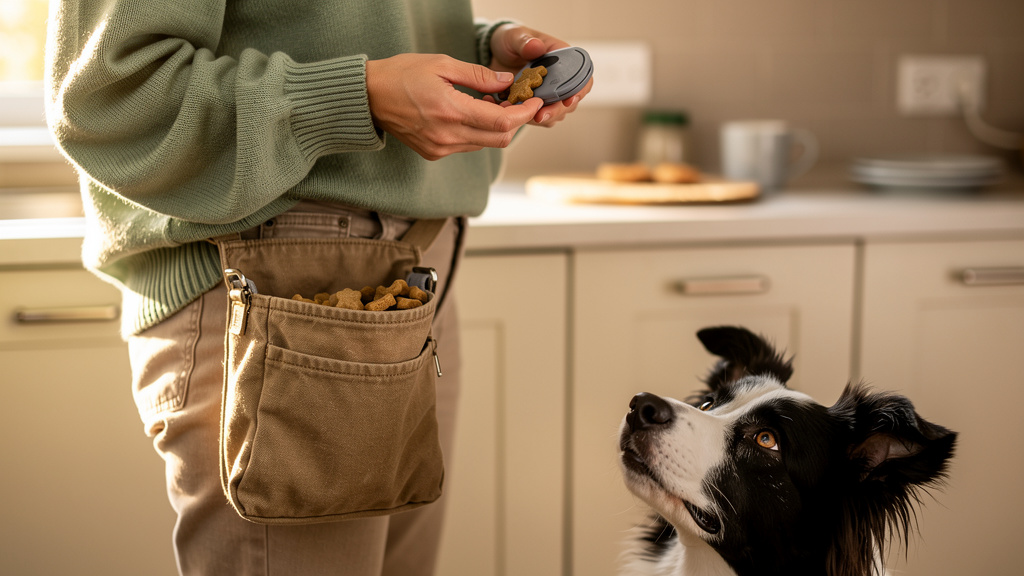
Positive reinforcement sits at the heart of this modern style, as outlined in comprehensive resources like Dog Training Theory (Booklet) from veterinary authorities. When a dog does something that people like and then receives a reward that matters to them, that behaviour becomes more likely to happen again. The reward might be:
- Food (tiny treats, pieces of kibble, or small bits of chicken)
- A quick game with a favourite toy
- Warm praise and gentle touch
Over time, the dog learns that good choices bring good things, so they offer those choices more and more often.
“Reward what you want. Prevent what you don’t.” – widely used guideline in reward‑based dog training