Dog Separation Anxiety Training: A Practical Guide
Introduction
When we talk with new members of the PupSG community about dog separation anxiety training, the stories sound painfully familiar. Someone closes the front door, hears desperate crying on the other side, and spends the whole drive worrying. Or they come home to chewed furniture, scratched doors, and a mess on the floor. Along with the damage comes a heavy mix of guilt, frustration, and confusion.
We always start by reminding people that this is not a “bad dog” issue. Separation anxiety is a real panic response, not stubbornness or spite. A dog in this state feels as if their safety has disappeared the moment their person walks out. When we see it that way, dog separation anxiety training stops being about “fixing bad behavior” and becomes about helping a scared animal feel safe.
“Your dog isn’t giving you a hard time; they’re having a hard time.”
This is a line we repeat often with PupSG families, because it changes how people see their dog’s behavior.
That can still feel like a big mountain to climb, especially when life is already busy. The good news is that with clear steps, steady practice, and reward-based methods, real change is possible. In this guide we will walk through how to spot the signs, what tends to cause them, and the core dog separation anxiety training techniques that research supports. Along the way we will share how PupSG uses simple, real‑life, positive methods to help families build calmer, more confident dogs.
Key Takeaways
Separation anxiety is a fear response, not misbehavior. When we treat it as panic, we stop blaming the dog and start helping them. That shift alone can lower stress for both sides of the leash.
The most helpful dog separation anxiety training plans combine gradual practice with smart daily routines. Short, successful absences, good exercise, and mental games all work together. Over time, this steady approach teaches the dog that alone time is safe.
Some dogs improve with home practice, while others need extra support. In tougher cases a qualified behavior professional or vet can guide the process. PupSG focuses on clear, reward-based steps that fit real homes and busy schedules.
Recognizing The Signs Of Dog Separation Anxiety
Before we design any dog separation anxiety training plan, we need to be sure that is what we are dealing with. Many problem behaviors happen when a dog is alone, but not all of them come from anxiety. Understanding the pattern of signs helps us choose the right path and avoid the wrong fixes.
The key clue is timing. With true separation anxiety, the behavior appears only or mainly when the dog is alone or thinks they are about to be alone. When the family is home, the dog often seems loving and normal. The trouble starts around departures, just after the door closes, or during long absences.
Common signs many owners notice are fairly consistent:
Some dogs bark, whine, or howl for long stretches once they are left alone. The noise does not stop after a few minutes and is not linked to outside sounds. This constant vocalizing comes from panic, not boredom.
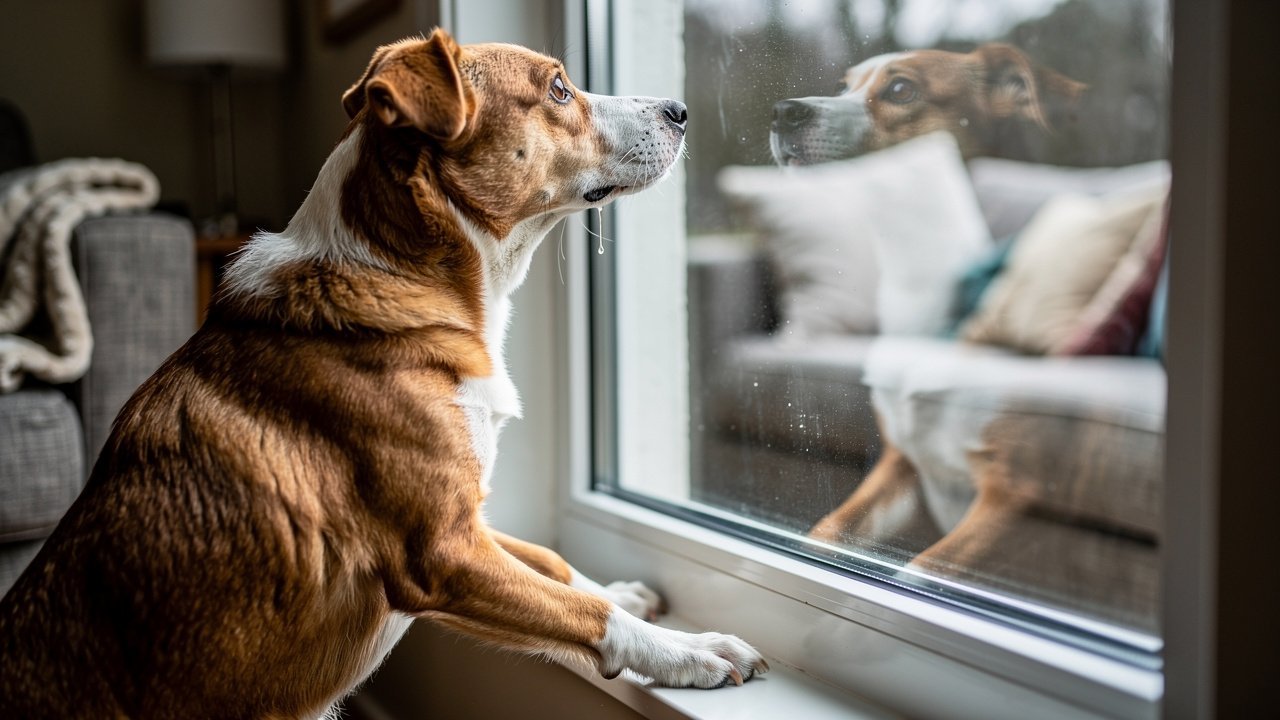
Destruction is another clear warning sign, especially around doors and windows. Dogs may chew frames, scratch at floors, or bend crate bars trying to get out. Along the way they can break teeth, scrape paws, or damage nails.
House‑trained dogs may start urinating or defecating indoors only when left by themselves. This can be paired with heavy drooling and fast panting even in cool rooms. The body is reacting to stress, not failing basic training.
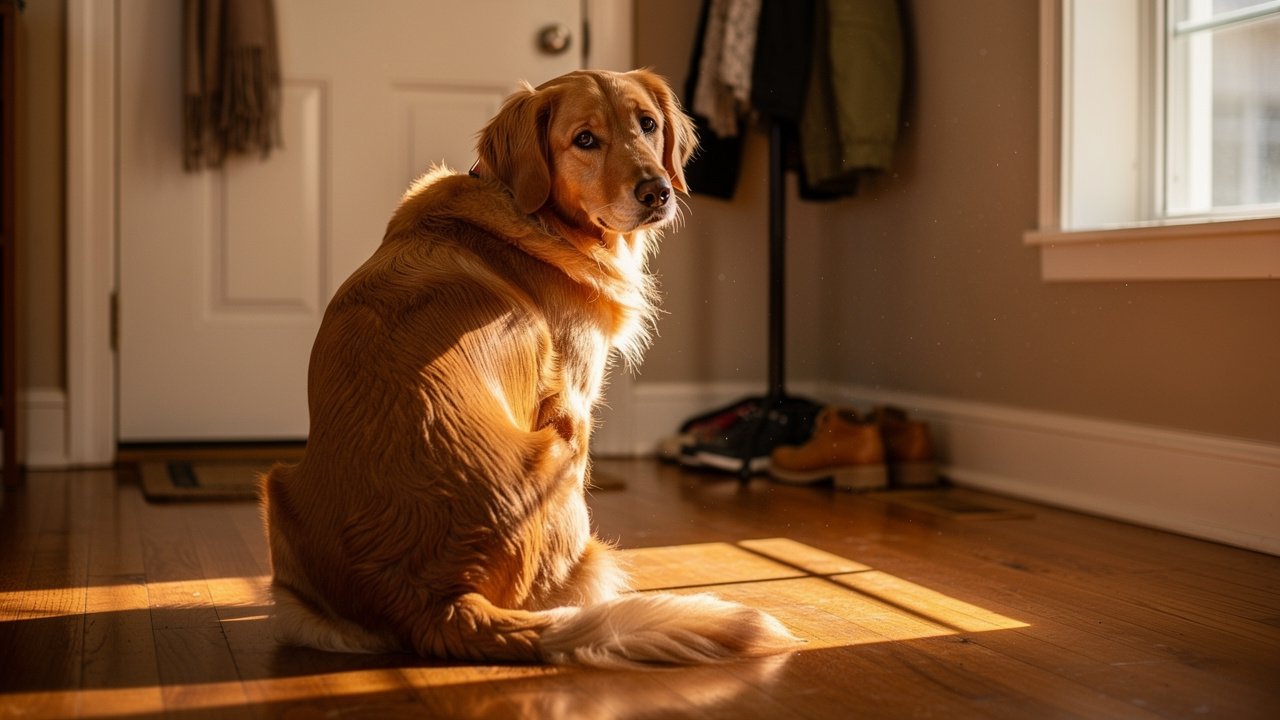
Many dogs show “pre‑departure” signs such as pacing, shadowing their person from room to room, or whining when keys move or shoes go on. Some follow so closely they are nicknamed “velcro dogs” and cannot relax more than a few steps away.
Some dogs lick or chew themselves, yawn repeatedly, or refuse food when left alone. These can be quieter signs of distress that are easy to miss without video.
At PupSG, we often suggest setting up a camera or old phone to record the dog for the first hour after leaving. Many owners are shocked to see pacing patterns, howling, or frantic escape attempts they never knew were happening.
Watching even a short video can answer a huge question: “Is my dog bored, or are they terrified?”
Seeing the reality on screen is often the turning point that pushes people toward real separation anxiety work.
A vet check is also wise, since pain, urinary issues, or medication side effects can copy some of these signs. When medical causes are ruled out, we can move forward with dog separation anxiety training with more confidence.
Understanding Why Dogs Develop Separation Anxiety
Once we see that separation anxiety is likely, the next helpful step is asking why it started. There is rarely just one cause. Most dogs arrive at this point through a mix of history, personality, and life changes that shake their sense of safety.
Common factors include:
Big life shifts. A dog who was surrendered to a shelter or passed between homes may worry deeply about being left again. A move to a new house can make a dog cling tighter to their person, because everything else feels strange. Many families also notice problems right after a schedule change, such as going from working at home to being gone for eight or more hours most days.
Changes in the family group. A child leaving for college, a breakup, or a death can make the house feel very different. Dogs do not understand the reason; they just feel that someone important is gone. Their remaining humans then become even more precious, and being apart from them feels harder — a dynamic explored in research on Disconnected Lives: Social Networks and emotional regulation in domestic dogs.
Little or no practice being alone. Some dogs never learned that being alone is safe in the first place. If a puppy is always with someone and never practices short, calm absences, long days alone later in life are a big shock. Lack of exercise, little mental stimulation, and no clear routine can add fuel to this worry.
When we understand our dog’s mix of triggers, we can shape dog separation anxiety training that fits their story instead of using a one‑size plan. Just as important, knowing the “why” reminds us that this is not a moral failing in the dog or the owner. It is a stress response that grew over time and can be changed with careful work.
Core Dog Separation Anxiety Training Techniques
At the heart of dog separation anxiety training is one clear goal: we want the dog to feel that being alone is not a threat and can even predict good things. We are not just blocking symptoms with barriers or gadgets. We are teaching a new emotional response to time apart.
There is one hard rule that guides all of this. During training, we try not to leave the dog alone longer than they can handle without panicking. Every time they move into full anxiety, the fear path in the brain gets a little stronger. So we work within their current comfort window and use pet sitters, doggy daycare, trusted friends, or even bringing the dog to work when possible.
At PupSG we often say, “Keep your dog under their panic line.”
If they stay under that line, the brain can learn. If they cross it every day, the fear keeps getting rehearsed.
For mild cases, we often start with counterconditioning, which means pairing absence with something the dog loves. Before leaving, we give a high‑value food puzzle that takes twenty to thirty minutes to finish. This might be a sturdy rubber toy packed with soft food and then frozen so it lasts longer. The dog learns that when we leave, an amazing treat appears. When we come home, the special item goes away, so the best rewards are tied only to alone time.
This method works best when the dog is still calm enough to eat while we are gone. If the food sits untouched until we return, the fear is too strong and we need more than counterconditioning. That is where careful work on departure cues and graduated absences comes in.
Many anxious dogs start to worry long before the door closes. They notice keys picked up, a coat going on, or a laptop bag near the door. To change this, we practice those cues without leaving. For example:
Pick up the keys, walk around for a minute, then sit on the couch and watch a show.
Put shoes on, make coffee, and stay home.
Open and close the front door several times, then go back to normal life inside.
Over many short sessions, the dog stops linking these actions with being left, and their stress drops.
Graduated departures build on that calmer base. We teach the dog that they can handle tiny bits of alone time, then slightly longer ones, without fear.
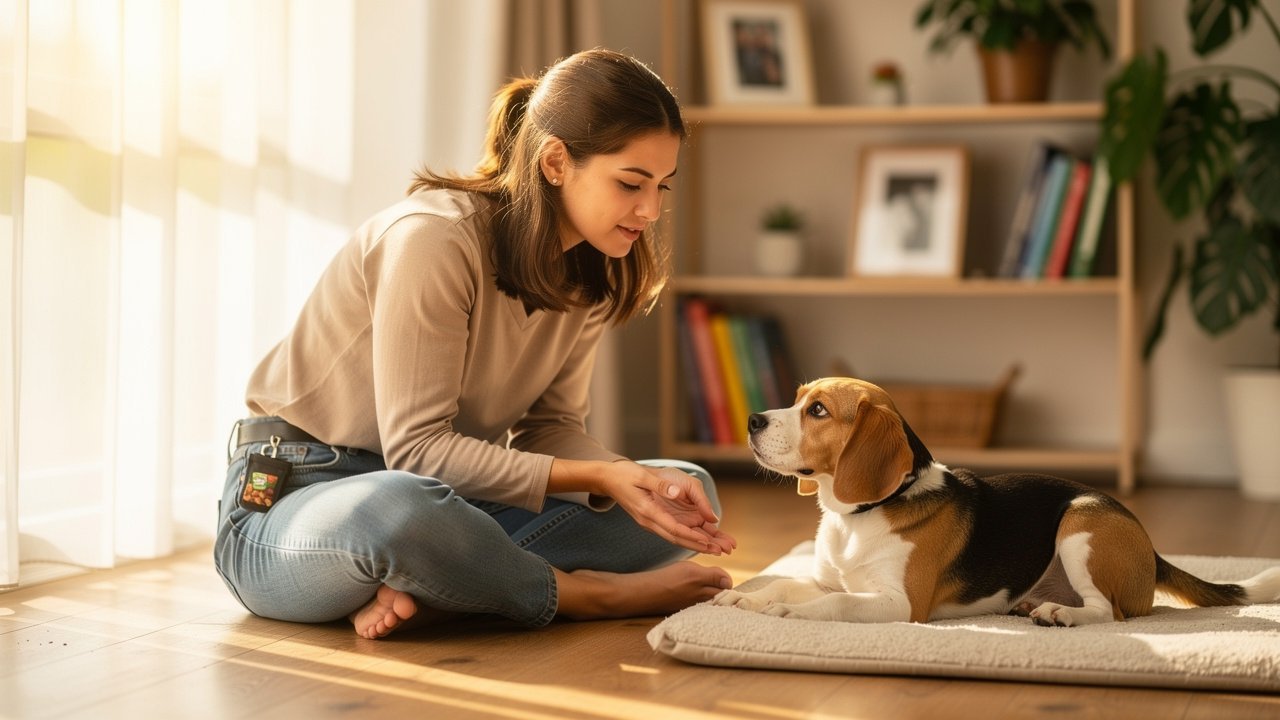
Start inside the home. Ask the dog to rest on a mat while you step behind a door for a second or two. Return before they worry and calmly reward that relaxed stay. This feels more like a simple training game than a big test.
Increase time in tiny pieces. Over many repetitions, add just a few seconds at a time out of sight. If the dog stands up, whines, or pants, you know you went too fast. Drop back to a shorter, easy time span so they can succeed again.
Add a special food toy. Once the dog can handle several seconds with ease, add the high‑value food toy right before you step away. The toy becomes a signal that this is a safe, short absence and that good things are coming.
Move to real exits. When indoor practice looks solid, shift to the actual exit door and run the same pattern. The first forty minutes alone are usually the hardest for anxious dogs, so increase very slowly until they can relax through that window. After that point you can usually raise the time in larger chunks, like five minutes, then fifteen, and so on.
At PupSG we break this process into small, clear steps so owners never feel lost. Our reward‑based approach fits neatly into daily life, which makes dog separation anxiety training far easier to stick with over the weeks it often requires.
As you work through this process, it also helps to avoid some common mistakes:
Punishing signs of anxiety. Yelling, scolding, or using shock tools may stop noise in the moment but increase fear overall.
Letting the dog “cry it out.” Long periods of distressed barking are a sign that the training plan was too hard, not that the dog needs more grit.
Adding another dog as a quick fix. A second dog can be wonderful, but many anxious dogs still panic when their person leaves, even with a canine friend present.
Gentle, structured work does not give overnight results, but it builds truly calmer behavior instead of just shutting symptoms down — a finding consistent with evidence reviewed in studies on Dog Trainers’ Methods are linked to views on vet referrals, which highlights how reward-based approaches outperform punitive ones.
Daily Management Strategies To Support Training
Dog separation anxiety training works best when it sits on top of a steady, healthy routine. A dog who gets enough exercise, mental work, and rest copes far better with any kind of stress. Small daily choices build that base layer of calm.
Some practical ways to support training include:
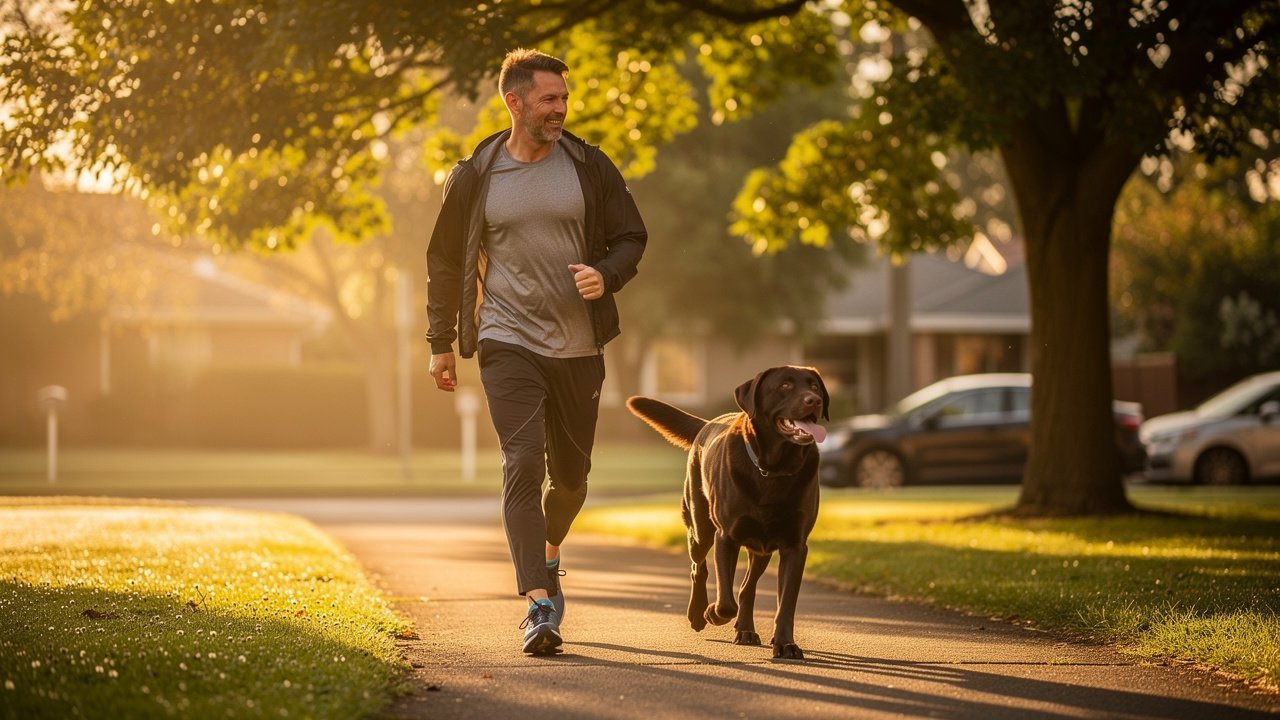
Physical activity. Aim for at least thirty minutes of true aerobic exercise most days, such as brisk walks, games of fetch, or safe running. When you time that outing before leaving, the dog is more likely to rest once you are gone. A tired body often means a quieter mind.
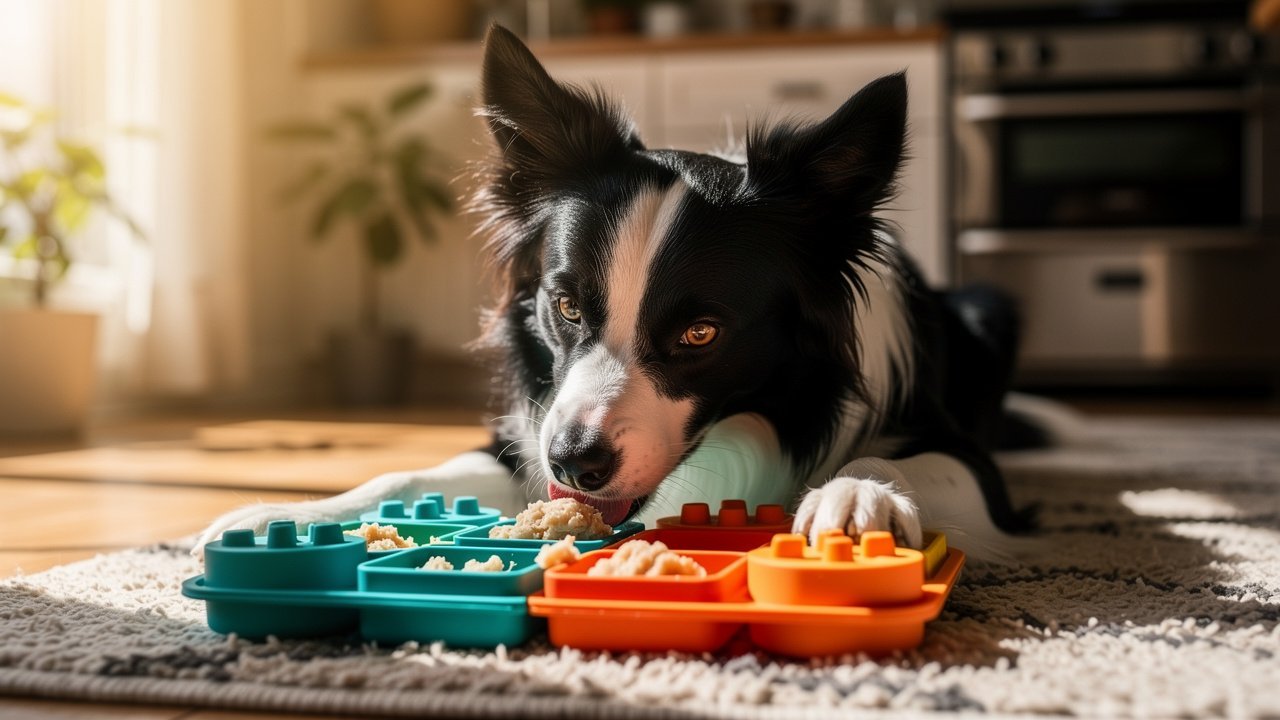
Mental enrichment. Instead of feeding every meal from a bowl, use puzzle feeders or scatter part of the food in snuffle mats and hiding spots. Short, fun training sessions before departures also work the brain and deepen your bond. These games give the dog something positive to think about instead of building up dread.
Calm comings and goings. The way we come and go during dog separation anxiety training sends strong messages. Calm, low‑key goodbyes help keep arousal down, while quiet returns teach the dog that our arrival is normal, not a wild event.
A safe, comfortable space. Setting up a dog‑proofed room with a bed, water, and a baby gate can give your dog a spot that feels like their own. Some dogs enjoy crates, but if you see heavy panting, drooling, or frantic escape attempts in a crate, switch to a more open space.
Soothing background cues. Soft music, white noise, or a familiar worn T‑shirt with your scent can help some dogs feel a little more settled when alone.
“Routine is one of the kindest gifts you can give an anxious dog,” we tell PupSG clients.
Predictable feeding times, walks, and rest periods make the whole day feel safer, which supports any training plan.
At PupSG we weave all of these habits into simple routines so families can support training without feeling like they are adding another full‑time job.
Conclusion
Living with a dog who melts down every time the door closes can feel heartbreaking and exhausting. It is easy to start doubting yourself or your pet. Dog separation anxiety training asks for patience and steady effort, yet every small win matters, from a calm thirty‑second absence to a peaceful hour alone.
The most important thing to remember is that a dog in this state is scared, not stubborn. Kind, consistent, reward‑based training is both the fairest and most effective way forward. Some families will see big changes with home practice, while others may need guidance from a certified trainer, behaviorist, or veterinarian, especially if medication might help take the edge off.
With the right plan, a solid daily routine, and PupSG’s clear, real‑life methods on your side, you can guide your dog toward feeling safe, confident, and relaxed even when you are not home.
FAQs
How Long Does Dog Separation Anxiety Training Take?
There is no single timeline that fits every dog. Mild cases may show real progress in a few weeks, while moderate or severe anxiety can take several months of steady work. Factors like past history, current stress, and how often you can practice all play a part. The key is slow, repeatable steps rather than rushing, and adjusting the plan if your dog starts to struggle.
Should I Ignore My Dog When They Cry To Help With Separation Anxiety?
We do not want to ignore real panic, but we also do not want to teach that crying always brings us back right away. During planned dog separation anxiety training we try to return before the dog reaches that loud, upset state. We reward calm moments and give comfort after the dog has settled, so they learn that relaxed behavior brings attention. If your dog is already in full distress, calmly helping them and then adjusting your training plan for next time is the kindest option.
Can Separation Anxiety In Dogs Be Cured Completely?
Many dogs improve so much with dog separation anxiety training that they can stay home alone for normal days without distress. Some dogs, especially those with very severe or long‑standing anxiety, may always need a bit of extra management and support. When we combine careful behavior work, a solid routine, and, when needed, professional help, we give them the best chance for long‑term comfort and a calmer life at home.