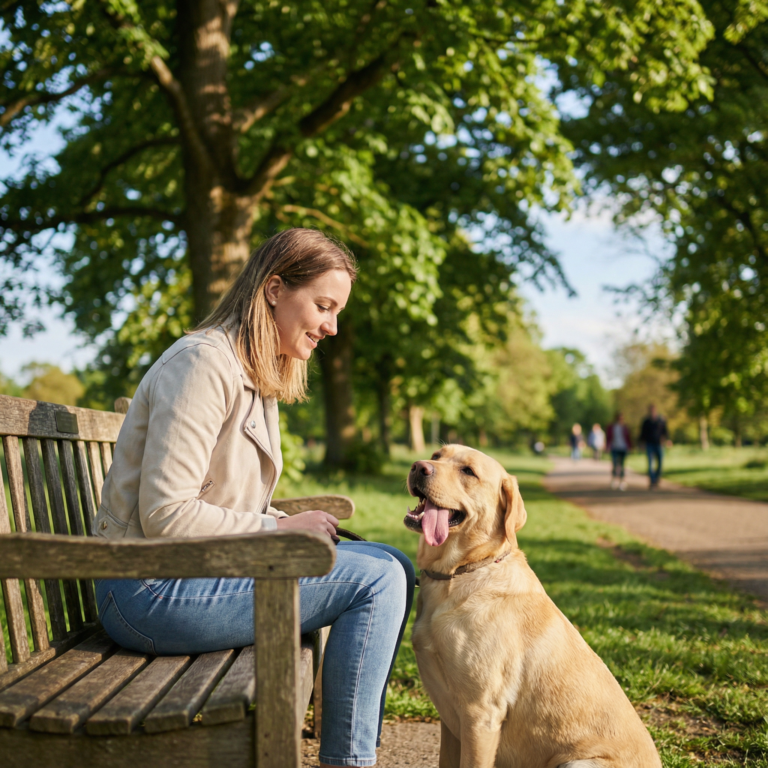
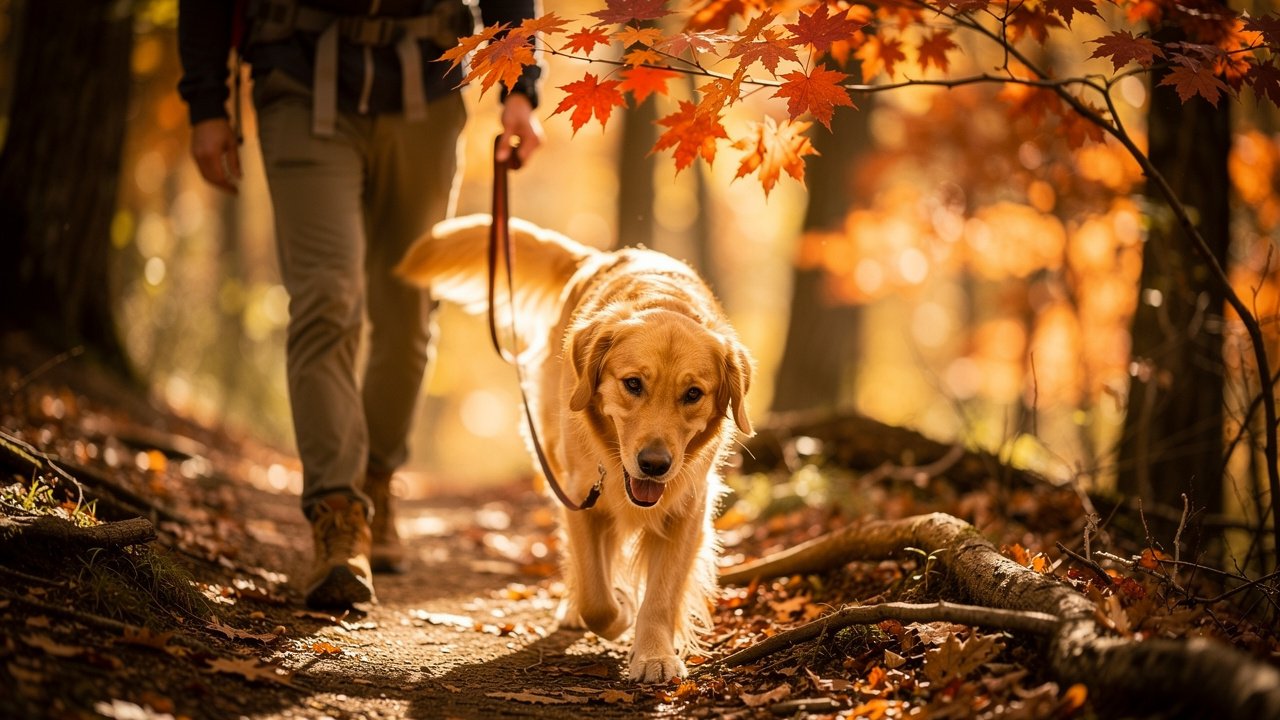
Best Dog Friendly Walking Trails Near You
Introduction
By the time I clip on the leash, my dog is already dancing at the door. The moment we step onto one of our local dog friendly walking trails, his nose drops to the ground and his tail swings harder. The crunch of gravel, the rustle of leaves, and his steady breath feel like a reset button after a long week.
Trail walks do more than tire out a bouncy pup. They give dogs real work with their noses and brains, and they give us a chance to slow down, breathe deeper, and actually notice our dogs. For many owners I coach at PupSG, trail time becomes the place where all that training at home finally comes together in a natural way.
Of course, not every dog and not every person feels ready to step onto busy dog friendly walking trails right away. Some dogs pull, bark, or lunge when they see others. Some owners worry about hills, mud, or another dog racing up off leash. This guide walks through different kinds of trails—from quiet state parks to city loops and off leash areas—and shows how simple training steps from PupSG can make every outing feel doable.
Key Takeaways

Dog friendly walking trails are not just deep in the woods. There are loops, rail trails, and paved city paths, so city, suburb, and countryside each offer ways to get outside together.
Rules change from place to place. Leash laws, off leash zones, parking fees, and seasonal closures all matter. A quick check of park websites before leaving home keeps outings smooth.
Preparation turns a walk into calm time. Reward-based training, fitness work, and smart gear choices from PupSG help dogs cope with new places so trail time feels fun, not stressful.
Why Dog-Friendly Walking Trails Are Worth the Adventure
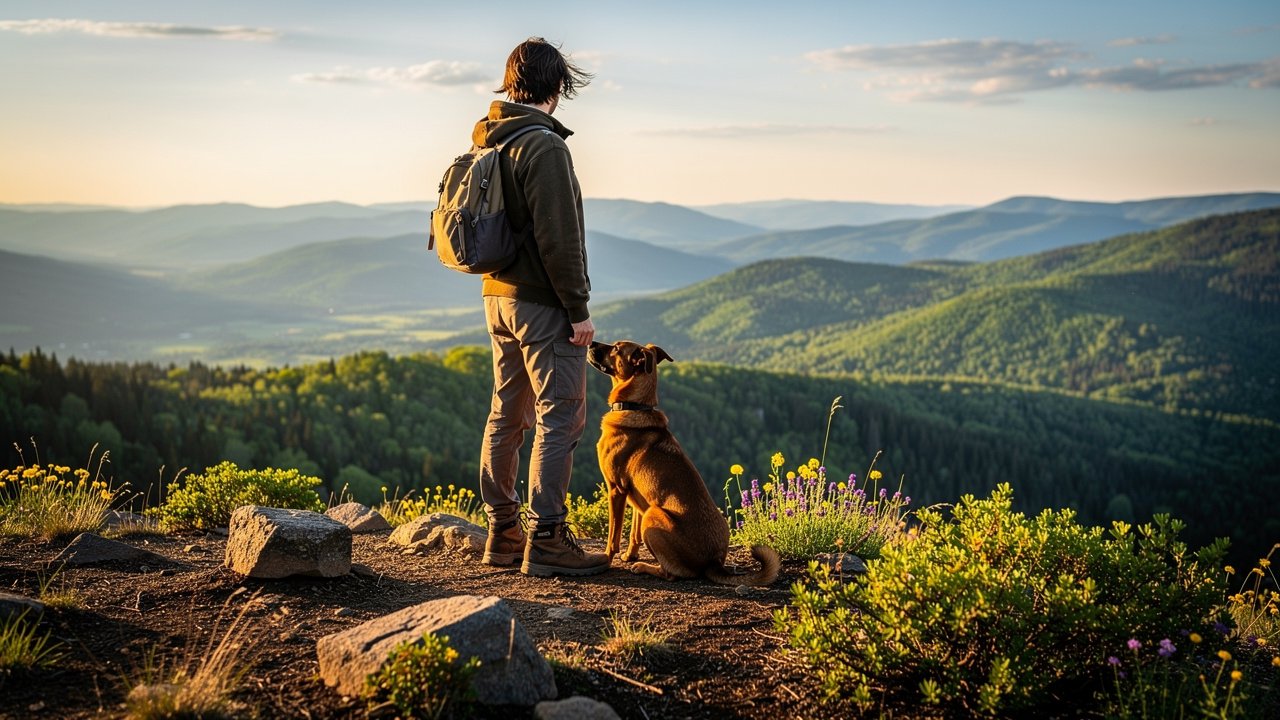
Regular neighborhood walks are helpful, but dog friendly walking trails add a level of workout that sidewalks rarely match. Uneven ground asks your dog to use different muscles, climb mild hills, and pick careful paths around roots or rocks. At the same time, every new smell, sound, and texture feeds your dog’s brain and burns energy in a healthy way.
As many trainers like to say, “A good sniff is as tiring as a long run.”
— Common trail dog saying
Trail time also deepens your bond. When you both move in the same direction, watch for the same landmarks, and pause at the same overlooks, you start to feel like a team — and research on active dog breeds shows these shared physical experiences can meaningfully shape health outcomes for both dogs and their owners. Many owners tell me their dogs seem more tuned in after a few trail days, checking back more often and looking to them for cues, even without constant talking or treats.
Plenty of people worry their dogs are not ready for dog friendly walking trails. A dog might lunge at strangers, pull hard enough to hurt shoulders, or tire on the first hill. As a trainer with PupSG, I see these issues every week, and they change with practice. With clear loose leash walking, simple cues like recall and leave it, and a slow build in walk length, most healthy dogs can learn to enjoy trail time.
The key is to see trail walking as a skill you and your dog grow step by step. With a guided plan, even very green teams can work up to longer routes with confidence.
State Parks: Premier On-Leash Dog-Friendly Walking Trails
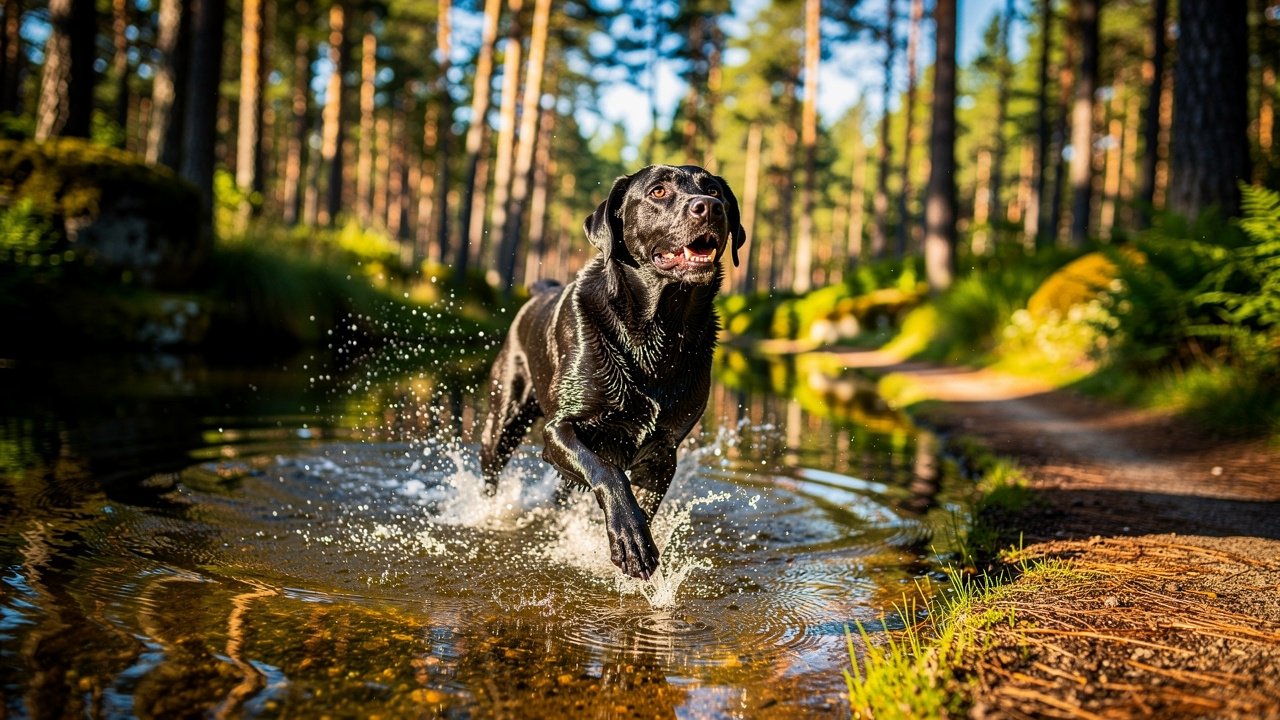
Massachusetts state parks hold many dog friendly walking trails with big views and clear markings. Loops often come in different lengths, so a young puppy can start short while a fit adult dog takes on longer routes from the same parking area.
Great Brook Farm State Park in Carlisle offers more than twenty miles of mostly gentle wooded paths. The Pine Point Loop circles a pond where many dogs enjoy a dip on a warm day. Wide paths make it easier to step aside for hikers and practise calm behavior on shared trails.
Wachusett Mountain State Reservation in Princeton adds more climb. Seventeen miles of pet friendly trails wind through forest toward a tall summit with broad views on clear days. For dogs and people new to hills, starting with a shorter lower loop keeps things fun without overdoing the first trip.
Farther west, Mount Holyoke Range State Park near Amherst covers about three thousand acres with more than thirty marked trails. The well known Seven Sisters route links a series of short steep peaks into an eight mile challenge. This stretch of dog friendly walking trails suits fit, experienced trail dogs, while shorter side paths offer easier practice days.
Bash Bish Falls State Park near the New York border focuses on water. A steady climb on rocky paths leads to an overlook of the tallest single drop waterfall in the state. Dogs stay leashed for safety, and many owners pack a towel for muddy paws near spray and stream crossings.
On Cape Cod, Nickerson State Park in Brewster wraps roughly nineteen hundred acres around a cluster of clear ponds. Wooded trails weave between water and campsites, and several campgrounds welcome dogs, which is ideal for a weekend of dog friendly walking trails. Dogs cannot go on beach areas, and a daily parking fee runs through the main warm months.
Because dogs stay on leash in these parks, clear loose leash skills from PupSG make each shared view calmer and safer for everyone on the trail.
Off-Leash Areas and Urban Dog-Friendly Walking Trails
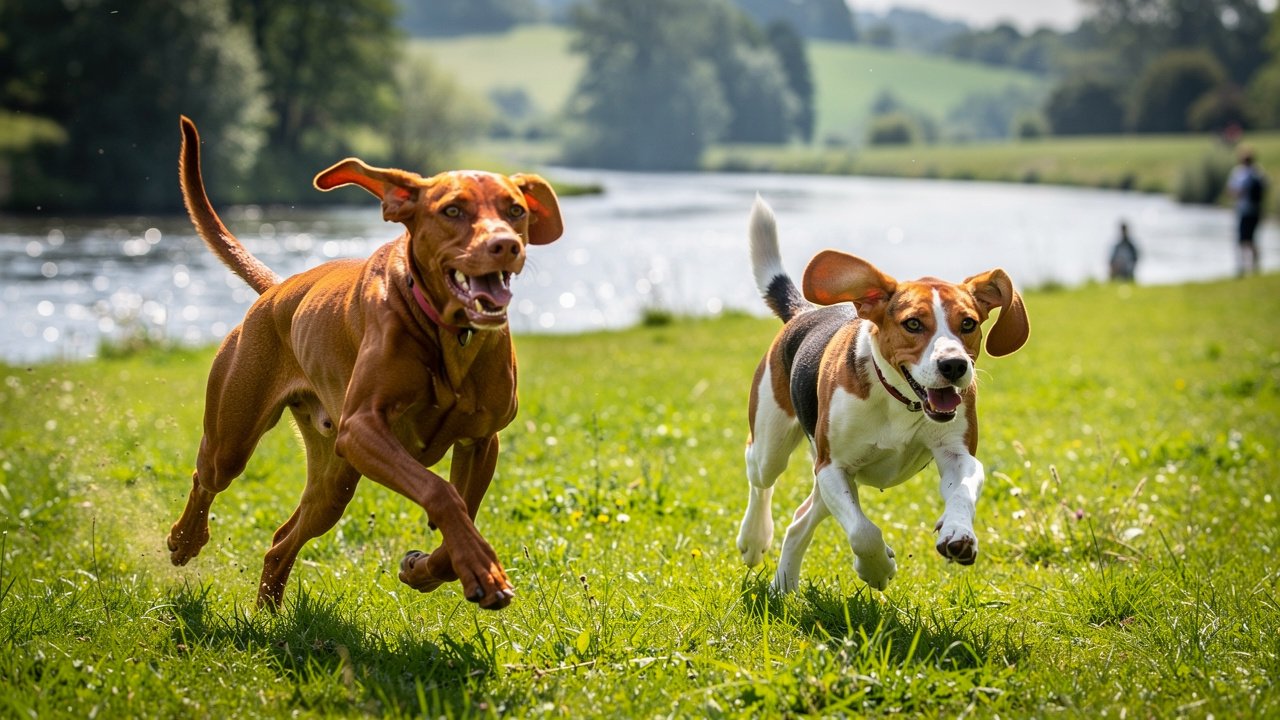
Some dogs relax when they can stretch their legs without a leash, and some owners live closer to sidewalks than forests. The good news is that there are dog friendly walking trails with both open off leash space and smooth urban paths.
Callahan State Park in Framingham is a favorite for high-energy dogs. Nearly one hundred acres, two rivers, and a pond give room to run and splash. Because many regulars walk off leash here, reactive dogs do better in quiet hours or in different parks.
Rocky Woods in Medfield uses the Green Dogs Program so some outer trails are off leash and central paths stay leashed. Watching for the signs together helps handler and dog adjust the leash at each change.
Moseley Woods in Newburyport sits along the Merrimack River with shaded paths. Most of the park allows off leash roaming, with leashes only near the playground and picnic spots. Strong recall matters here, since curious dogs can follow scents toward water or wildlife.
Jamaica Pond in Boston offers a simple one-and-a-half-mile loop on smooth pavement around still water. Leashed dogs share the wide path with joggers, kids, and bikes. It is a perfect place to rehearse loose leash walking with mild, predictable distractions.
Deer Island HarborWalk in Winthrop stretches for miles along the harbor with views of the Boston skyline. The paved route has gentle hills instead of steep climbs and suits many walkers. Wind and sea spray can cool dogs fast, so short water breaks matter.
The Bruce Freeman Rail Trail between Lowell and Acton adds distance without rough footing. Over thirteen miles of flat pavement link neighborhoods and bridges. Because bikes move quickly here, steady heel work and leash length keep everyone safe.
In busy off leash areas and city routes, behavior issues can grow fast. Barking, jumping, and tugging feel bigger in tight spaces. PupSG training plans help teams build calm patterns before stepping onto these dog friendly walking trails.
How to Prepare Your Dog for Any Trail Adventure
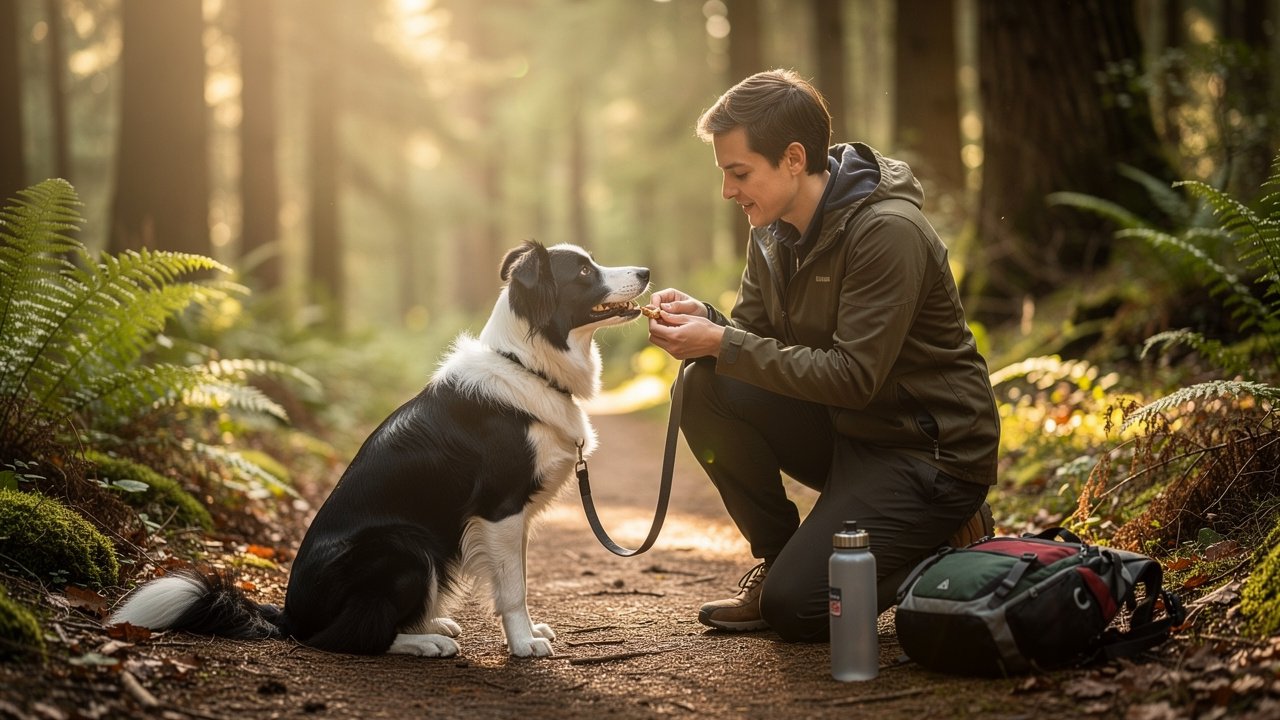
Great dog friendly walking trails feel relaxed only when both ends of the leash are prepared. A strong dog that drags, barks, or zigzags can make even a flat loop feel hard. The good part is that trail manners are just everyday skills used in a busier place. As a trainer with PupSG, I focus on three parts: loose leash walking, simple safety commands, and basic fitness, then add the right gear and trail rules on top.
We start with loose leash work, because tight leashes cause many problems on narrow paths. Reward-based training pays the dog every time the leash softens and the dog stays near our side. Then we add recall, leave it, and a calm sit so dogs can handle wildlife, bikes, and strangers. Short, flat walks build fitness first, while steeper climbs and long miles wait for later trail days.
Pack simple gear to keep things safe and comfortable:
Leash and collar or harness: A sturdy, well-fitting six-foot leash gives better control than a retractable model. PupSG reviews help match leash style to handler needs.
Waste bags: Picking up after your dog protects trails and keeps other hikers happy. Some parks have no bins, so plan to pack every bag back out.
Fresh water and bowl: A collapsible bowl and bottle stop dogs from drinking unsafe puddles. Many dogs drink more on warm or windy days.
High-visibility gear in hunting season: Bright blaze orange vests, bandanas, or collars keep dogs visible. Matching hats or vests make the whole team stand out.
Towel: A small towel helps with wet fur and muddy paws and protects car seats and floors. Many dogs also find the towel rub soothing.
Before any trip, it helps to read park rules so there are no surprises about leashes, fees, or seasonal closures. If you are unsure whether your dog is ready, PupSG can outline a step-by-step practice plan at home and on quiet streets before you head to busier dog friendly walking trails.
Conclusion
From shaded state park climbs to smooth city rail trails, there are dog friendly walking trails to match almost every dog and human. Some offer quiet ponds and forest loops; others shine with harbor views or long paved stretches for strollers, wheelchairs, and bikes. No matter the setting, shared trail time gives dogs healthy exercise, rich sniffing, and a chance to move through the world as part of a team.
If trail walks still feel out of reach, remember that skills grow one small step at a time. Short, calm loops with clear leash rules build confidence for bigger outings later. PupSG offers reward-based training plans, fitness tips, and honest gear reviews to support that work. Pick one new trail, choose one simple skill to practise, and take that first step forward together.
FAQs
Here are answers to a few common questions I hear from owners planning trail days.
Are Dog-Friendly Walking Trails Available In Cities Or Only In State Parks?
Many cities have great dog friendly walking trails. Jamaica Pond in Boston and Deer Island HarborWalk in Winthrop are two easy examples, with paved loops and harbor views. Rail trails such as the Bruce Freeman Rail Trail also work well, though most still require leashes.
What Should I Bring On A Dog-Friendly Trail Walk?
A basic pack for dog friendly walking trails includes waste bags, fresh water, and a bowl. Add a sturdy leash and a towel if ponds or rivers are on the route. During hunting seasons, blaze orange gear makes dog and human easier to spot among trees and brush.
How Do I Stop My Dog From Pulling On The Leash During Trail Walks?
Leash pulling is one of the most common trail problems I see. The best fix is reward-based training that marks and pays every step with a loose leash. Start on calm streets, reward your dog for staying close, and pause whenever the leash goes tight. PupSG leash guides walk you through that plan so you can head to dog friendly walking trails with far less strain.