

Many families still hear that they must be the “alpha” or “pack leader” in order to train their dog. This idea came from early studies of wolves kept in cages with strangers, where fights over space were common. Later research, led by the same scientist, Dr David Mech, showed that wild wolf packs in nature behave more like parents and children than rivals fighting for rank. The old “alpha wolf” idea was based on an unnatural set‑up and does not match how real wolf families behave.
Domestic dogs are even further from that picture. They live with people, not wolf packs, and research on how dogs think shows they process social relationships very differently from wolves and are not trying to climb some ladder of power over a human family. When a dog jumps, pulls, or guards toys, it is not a secret plan for control; it is usually a mix of habit, excitement, fear, or simple confusion.
When people use dominance‑based methods, such as pinning a dog down or shouting to make it “submit”, the dog often becomes nervous, shuts down, or snaps in defence. Confidence drops, learning slows, and trust breaks. A far better role is the “snack leader”: the person who calmly guides the dog with clear rules and rewards, just as a good gaming coach guides a clan with smart, repeatable strategies.
Why Punishment Based Training Harms Your Dog
Harsh training methods do not just feel unpleasant; they can leave deep marks on a dog’s mind. Hitting, jerking the lead, shouting, shock collars, prong collars, and “alpha rolls” all work through fear and pain. A dog faced with this kind of treatment may stop a behaviour for a short time, but the root cause of the behaviour does not vanish. The dog simply learns that people are scary and hard to predict.
Dogs trained this way often become anxious and may react with aggression when they feel trapped or threatened. They can also stop offering any new behaviour at all, because trying something new has brought punishment in the past. This makes learning slow and stressful for both sides.
Punishment also fails in one very simple way: it shows the dog what not to do, but never explains what they should do instead. Reward‑based methods flip that script. They focus on clear, wanted actions and pay the dog well for making those choices, which leads to faster, safer progress and a happier home.
Essential Equipment And Setup For Family Dog Training Success
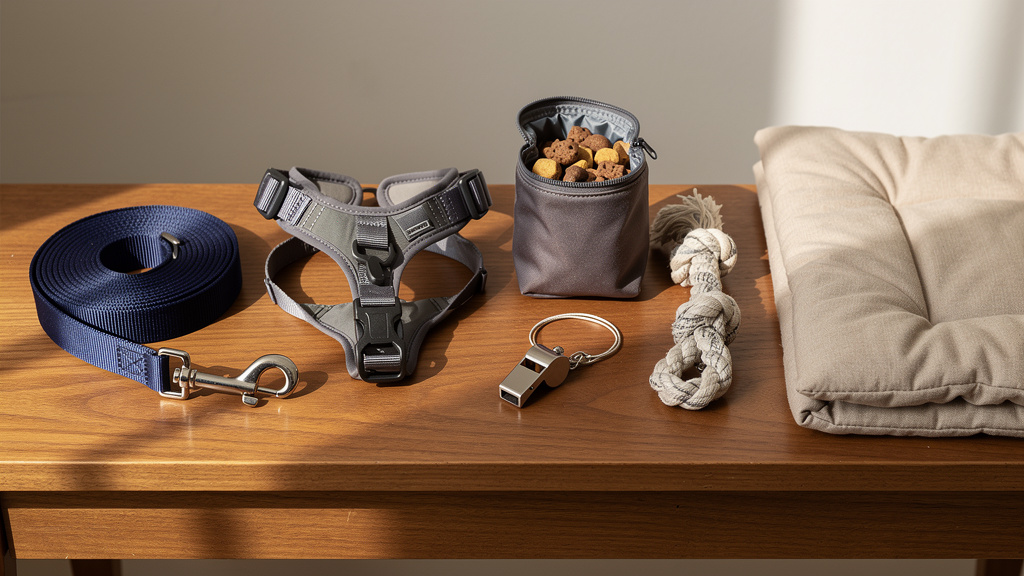
Training goes more smoothly when the right tools are ready before sessions start, and you can find detailed guidance on setup and equipment in practical Dog Training Tips for Pet Parents. Good equipment does not replace skill, but it removes a lot of small problems that can distract both the dog and the family. A simple set of items can make it easier to reward at the right moment, guide safely on walks, and give the dog a calm space to rest.
For busy households, it helps to think of this gear as part of the basic home set‑up, just like having school bags near the door or a charger near the sofa. When treats, leads, and toys are always easy to find, it becomes much more likely that short, daily training sessions actually happen.
Leave a Reply