
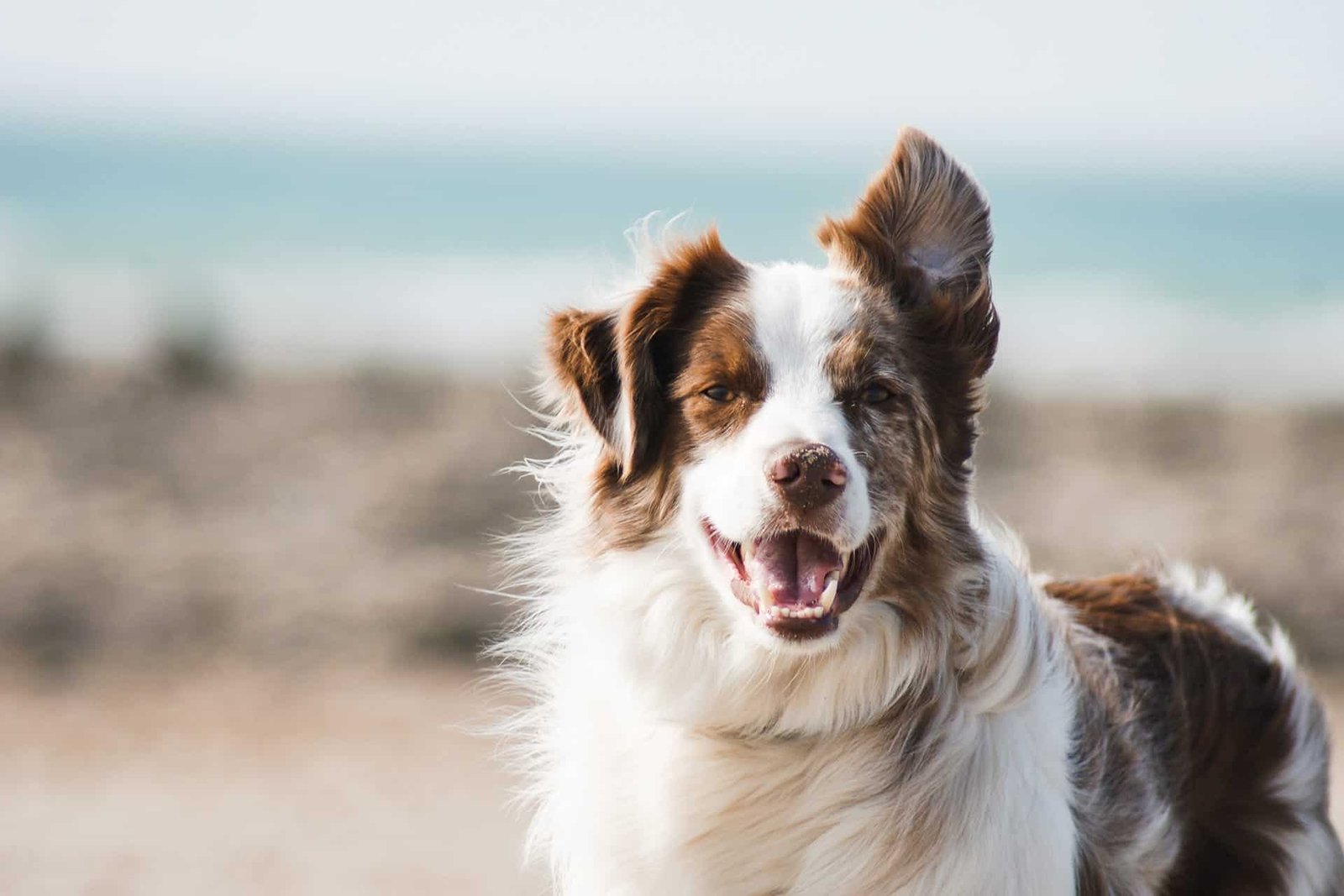
Stay teaches a dog to pause and hold a position until given a release word. This supports safety at doors and roads and helps during vet visits or grooming.
- Ask the dog to sit.
- Show an open palm in front of their face as a visual cue.
- Say “Stay”, then take a single small step back.
- After just one or two seconds, step forward again, praise, and reward while the dog is still in place.
- Use a clear release word such as “Free” or “Okay” to signal when they can move.
At first, keep both time and distance very short. Many people make the mistake of walking far away or waiting too long too early, which causes the dog to fail and teaches them that “stay” is a word they can ignore. If the dog breaks position, simply reset with less time or distance and reward heavily when they manage a success.
Use this skill at:
- Doorways
- Kerbs before crossing the road
- Vet visits or grooming sessions
Command Three Come For Vital Safety
A reliable recall can save a dog’s life. It stops dogs from running into traffic, chasing wildlife, or getting lost.
To build recall:
- Start indoors where there are no distractions.
- Stand a short distance from the dog.
- Say their name in a bright tone followed by “Come”, then move backwards a step or two. Movement helps trigger the dog’s instinct to chase.
- When the dog reaches you, give very generous praise and a high‑value treat.
Important tips:
- Never call the dog to punish them or end something fun such as play at the park.
- Sometimes call them, reward, and then send them back to play so “Come!” predicts good things.
- Practise in safe outdoor spaces using a long training line so the dog cannot bolt.
Family games of hide and seek, with different members calling in turn from different rooms or corners of the garden, keep recall fun and strong.
Command Four Down To Promote Calmness
Down means lie flat on the ground and stay there for a short time. This position is more restful than sit and helps dogs settle in busy places like cafés or waiting rooms.
To teach down:
- Begin with the dog sitting.
- Hold a treat in a closed fist at their nose and then lower your hand straight down to the floor between their front paws.
- As the head follows, slowly slide your hand away along the ground.
- Many dogs will stretch and then lower their chest and elbows.
- The moment the elbows meet the floor, say “Down”, praise, and reward.
Some dogs find this hard and may stand up or back away. In that case, reward any small movement toward the ground, such as lowering the head or bending the elbows, and build in stages. Another method is to lure the dog under a low object such as a coffee table so that they must lie to reach the treat.
Take care not to mix the word “Down” with telling the dog to get off furniture. Use “Off” for that instead. Once learned, practise down on a mat, in the garden, and in quiet public places.
Command Five Leave It To Keep Your Dog Safe
Leave it tells the dog to ignore or move away from something that they want. This could be food on the floor, a dropped pill, rubbish on a walk, or a child’s toy.
- Begin with a low‑value treat in a closed hand.
- Present the fist to the dog. They will likely lick, nibble, or paw.
- Wait calmly. The moment the dog moves their nose slightly away or pauses, say “Leave it” once and then give a higher‑value treat from the other hand.
After a few rounds, most dogs learn that moving away from the blocked treat makes something even better appear. Next steps:
- Place the low‑value treat on the floor and cover it with your hand.
- Repeat until the dog backs off quickly when you say the cue.
- Progress to uncovered treats, then to walking past items on the ground.
Always reward from a different source than the thing they ignored, so the dog does not expect to eat the item they were told to leave. This command is one of the most useful family dog training tips for safety in real life.
Leave a Reply