
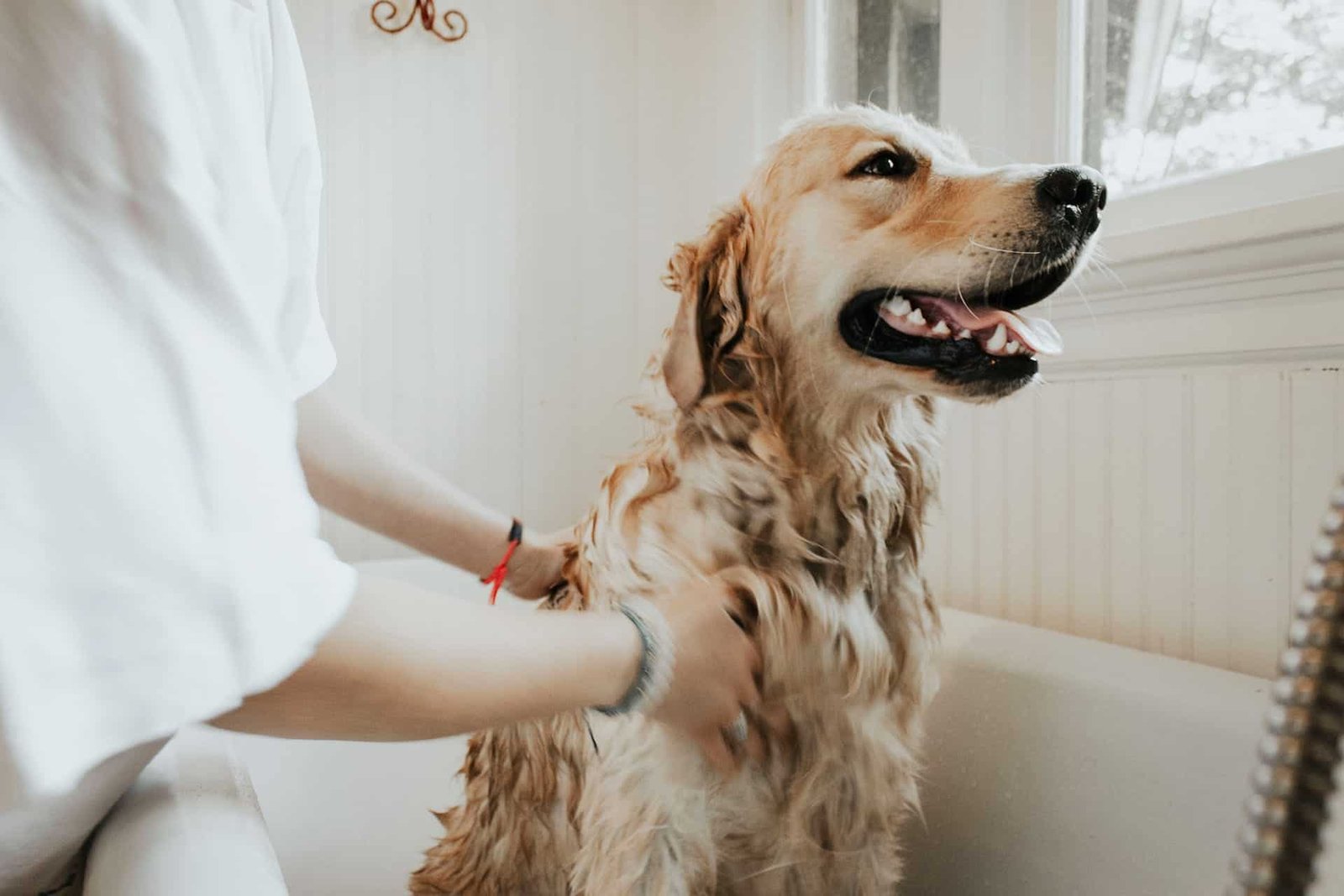
House training is often the biggest early worry for families, especially those with carpets or rented homes. The idea of puddles and messes can feel stressful, but with a clear plan most dogs learn clean habits quite quickly. The key lies in timing, supervision, and rewarding the right choices every single time.
Think of house training as teaching the dog where the toilet is, not just where it is not. Punishing accidents confuses the dog and may only teach them to hide when they need to go. A calm system based on regular outdoor trips, clear cue words, and fast praise builds the picture far more reliably.
Understanding Your Dog Elimination Schedule And Signals
Puppies have tiny bladders and little control. A simple rule of thumb is that a puppy can hold for roughly one hour for each month of age, plus one extra hour at best. So a three‑month‑old might manage about four hours during the day, though many need more frequent trips.
Important toilet times include:
- First thing in the morning
- After every nap
- Within a short time after meals or drinks
- After play sessions
- Just before bedtime
Learning to read signals helps avoid accidents. Common signs include:
- Sudden sniffing and circling
- Wandering away from play
- Heading toward a corner or a place where they have toileted before
- Whining near the door
Puppies under twelve weeks often show very little warning, so high supervision is needed. Feeding on a regular schedule rather than leaving food out all day helps, because intake becomes more predictable and so does output.
The Step By Step House Training Plan
A phased plan keeps house training on track.
Weeks 1–2: Build the routine
- Take the puppy to the chosen outdoor spot at least once an hour while awake.
- Use a simple toilet cue such as “Get busy” said softly as they start to go.
- The instant they finish, praise in a happy voice and give a small treat.
- Indoors, supervise closely or use a crate or pen when no one can watch.
- Set phone or watch alarms to prevent missed trips.
Weeks 3–4: Stretch the gaps slowly
- Extend the time between outings by 15–30 minutes, watching carefully for signs.
- Continue to use the cue word in the same place.
- Notice if the puppy starts to walk toward the door or whine when they need to toilet.
- Some families teach bell training, where the dog nudges a bell near the door to ask out.
Bell training is taught by:
- Ringing the bell every time before going outside
- Helping the puppy touch it with nose or paw
- Rewarding the dog when they make contact themselves
Weeks 5–8: Build reliability
- Most puppies begin to stay dry for longer periods and show clearer signals.
- Treats can slowly reduce, but praise should stay.
- Freedom in the house can grow in small steps, starting with one or two extra rooms at a time.
Night‑time control often comes later. Many young puppies need one toilet trip in the middle of the night until around six months old. Quietly take the puppy out, allow them to toilet, reward gently, and return them to bed with as little fuss as possible. By keeping the pattern calm and simple, they learn that night is for sleep, not play.
Handling Accidents The Right And Wrong Way To Respond
Even with the best plan, accidents will happen. How people react in those moments makes a huge difference.
What not to do:
- Do not shout, hit, or rub a dog’s nose into a mess.
- Do not drag them to the spot and scold after the fact.
The dog does not link the punishment with the act of toileting in the wrong place. Instead, they may learn that people near urine or faeces are scary, which can lead them to hide and toilet out of sight, making problems worse.
What to do instead:
- If you catch the puppy in the middle of an accident, a simple clap or “Ah” sound can gently interrupt.
- Without scolding, quickly take the puppy outside to the usual spot and wait a few minutes.
- If they finish there, praise and reward as normal.
- If an accident is found later, clean thoroughly with an enzymatic cleaner made for pet odours and adjust supervision or the schedule.
For repeated accidents, speak to a vet to rule out infections, then tighten the routine, reduce free access to the whole house, and track times in a small log to spot patterns.
Mastering Loose Lead Walking And Ending Pulling
Few things feel more frustrating than a dog that drags the family down the pavement. Pulling happens because, from the dog’s view, it works. Every step forward gets them closer to a smell, a tree, or another dog. To change this, the dog needs to learn that walking near the person on a slack lead is what leads to progress and rewards.
Loose lead walking is less about one big trick and more about building a habit over many short walks. It often starts in calm places such as hallways or gardens before moving to busy paths. With patience and good rewards, even strong pullers can learn to walk in a way that feels safe and pleasant for children and adults.
Why Traditional Just Stop Walking Methods Often Fail
Many people are told simply to stop every time the dog pulls. In theory, this means forward movement stops being a reward for pulling. In practice, walks often turn into a slow shuffle where the dog forges ahead, people stop, then trudge forward again without the dog ever quite understanding the link. On real streets full of smells and sights, this can feel endless.
The main issue is that the dog is told what not to do but not what to do instead. Without a clear picture of the desired position and a good reason to stay there, the dog will keep trying whatever works best in the moment. Stopping and waiting can still play a part, but it is far more effective when combined with active rewards for walking by the handler’s side.
The Engagement And Reward Method For Loose Lead Walking
The goal of the engagement method is simple: the dog learns that being near the handler with a soft, slack lead makes good things happen.
- Start indoors or in a very quiet outside space with few distractions.
- Hold a few treats in the hand on the same side as the dog, at about nose level.
- Take two or three steps forward. If the lead stays loose and the dog stays near, say the marker word and give a treat by your leg.
- Repeat this pattern, slowly adding more steps between rewards.
- Change direction from time to time, turning left, right, or backwards to keep the dog watching.
If the dog drifts ahead and the lead tightens:
- Stop briefly.
- Wait for them to look back or move closer.
- Mark and reward that return.
Over the first week or two, reward very often, perhaps every five or ten steps. As the dog improves, start to increase the gap, sometimes paying after twenty or thirty steps, sometimes after just a few. This random pattern keeps the dog checking in.
When approaching distractions such as other dogs or busy roads:
- Raise the reward value and rate.
- Give high‑value treats every second or two as the dog walks by your side.
- Play a simple “check in” game, where the dog earns a reward every time they glance up at you.
A front‑clip harness can help because it gently turns the dog back toward the person when they pull, rather than allowing them to drag from the chest.
Leave a Reply