Best Dog Friendly Walking Trails Near You
Introduction By the time I clip on the leash, my dog is already dancing at the door. The moment…

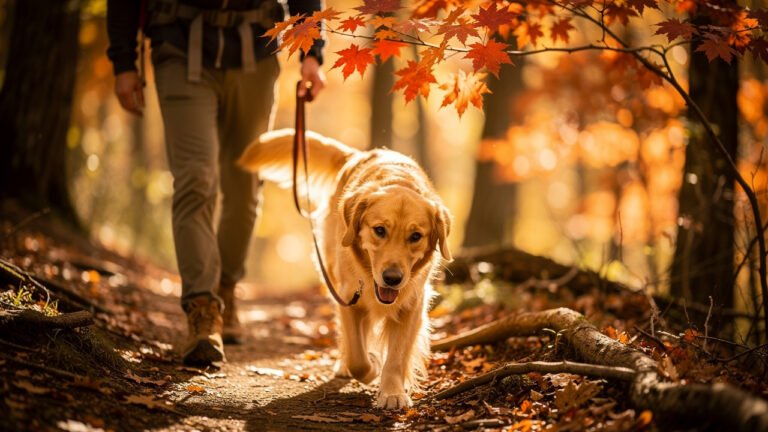
Introduction By the time I clip on the leash, my dog is already dancing at the door. The moment…
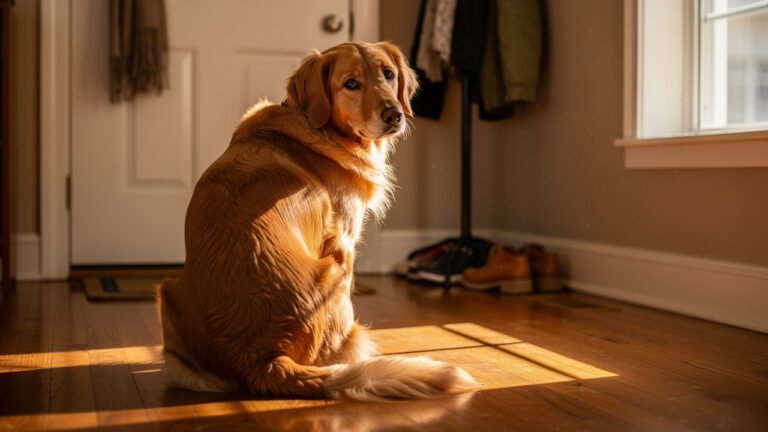
Introduction When we talk with new members of the PupSG community about dog separation anxiety training, the stories sound…
Picture a brand new puppy in the house on a school morning. Someone is looking for their shoes, someone else is trying to finish homework, and the dog is zooming around with a sock in its mouth. Many people think there is no way to learn how to train a family dog when life already feels this full. Training can seem like another big task on a very long list.
Many families still hear that they must be the “alpha” or “pack leader” in order to train their dog. This idea came from early studies of wolves kept in cages with strangers, where fights over space were common. Later research, led by the same scientist, Dr David Mech, showed that wild wolf packs in nature behave more like parents and children than rivals fighting for rank. The old “alpha wolf” idea was based on an unnatural set‑up and does not match how real wolf families behave.
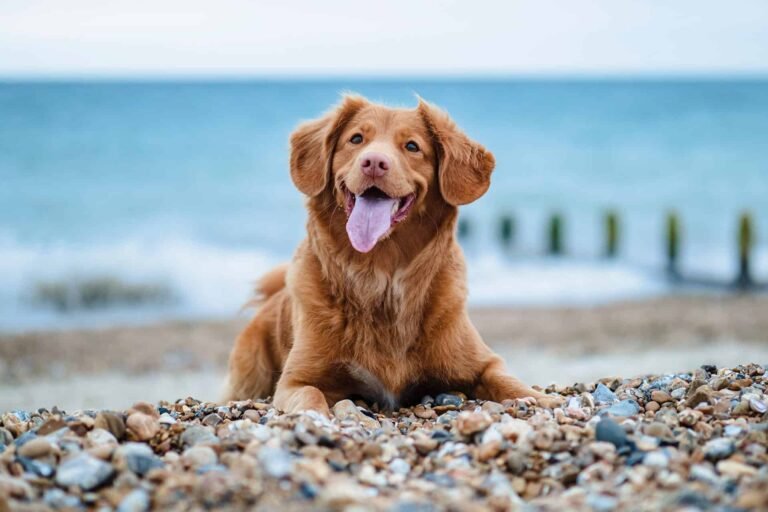
A treat pouch is one of the most helpful tools. It clips to a belt or waistband and holds lots of tiny treats, so rewards are always close at hand during walks or housework. Many people use small pieces of the dog’s normal food for easy tasks, and keep softer, tastier pieces such as cooked chicken for harder skills like recall past another dog.
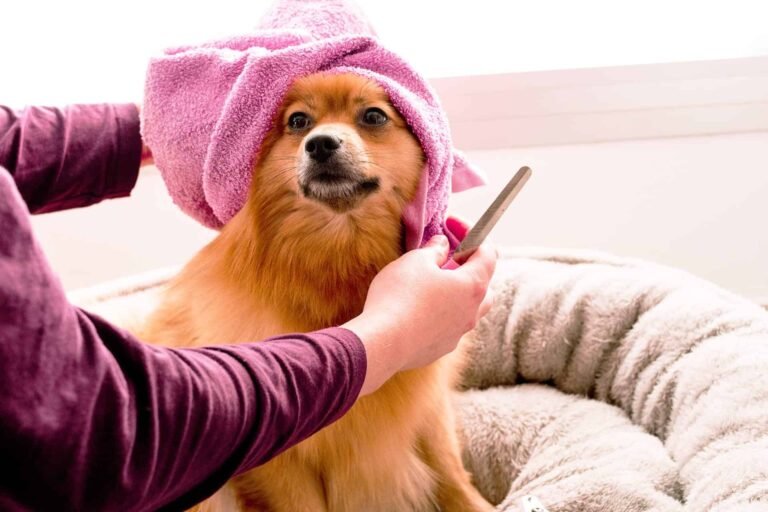
A dog cannot read house rules on a wall. They only know what people show them through actions and repeated patterns. When one person allows jumping on the sofa and another shouts about it, the dog has no way to guess which rule will apply. This kind of mixed message can lead to stress and behaviour issues. Consistency across the whole household is one of the most powerful tools in family dog training.
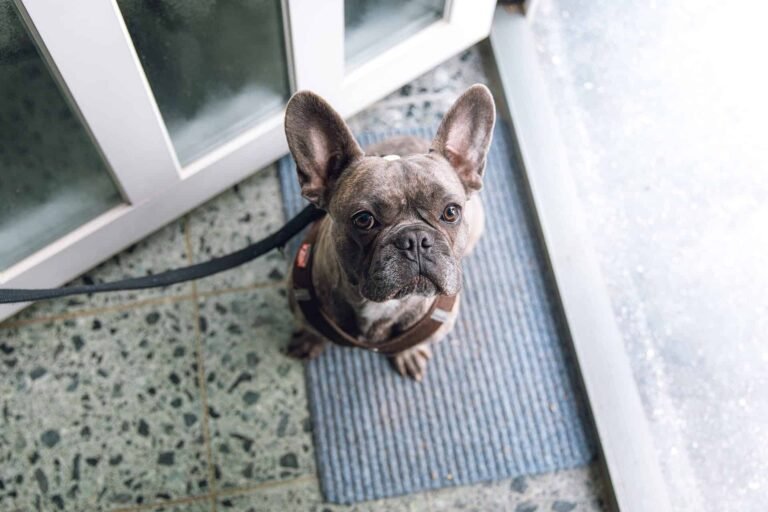
Before formal training starts, it is worth setting aside a short family meeting. During this chat, everyone who lives with the dog can agree on the main commands, hand signals, and house rules. For example, the group might decide that “Sit” is the only word used for that action, instead of mixing “Sit down” or “Park it”. The same goes for “Down” for lying on the floor and “Off” for getting off furniture.

Stay teaches a dog to pause and hold a position until given a release word. This supports safety at doors and roads and helps during vet visits or grooming.
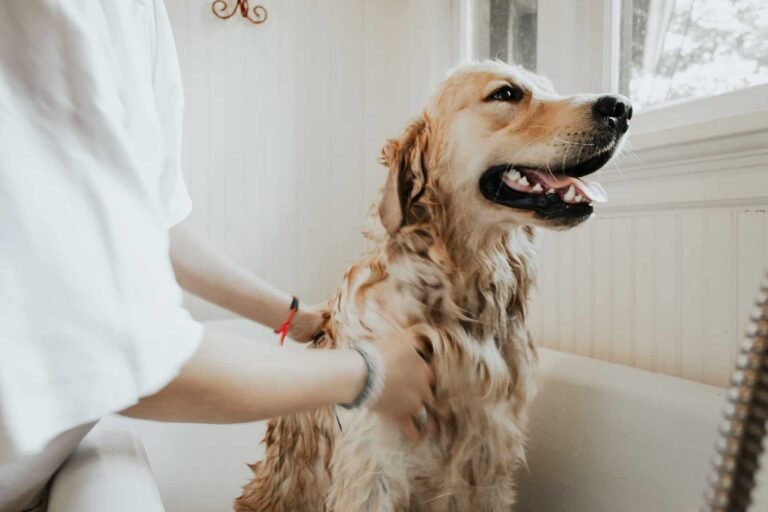
House training is often the biggest early worry for families, especially those with carpets or rented homes. The idea…